The Complete Handbook of Drill & Screwdriver Bits
Professional Selection, Application, and Maintenance for Contractors, Shops, and Serious Users
★★★★★3.6 · 7 reviewsby Alumigogo Books
non-fiction
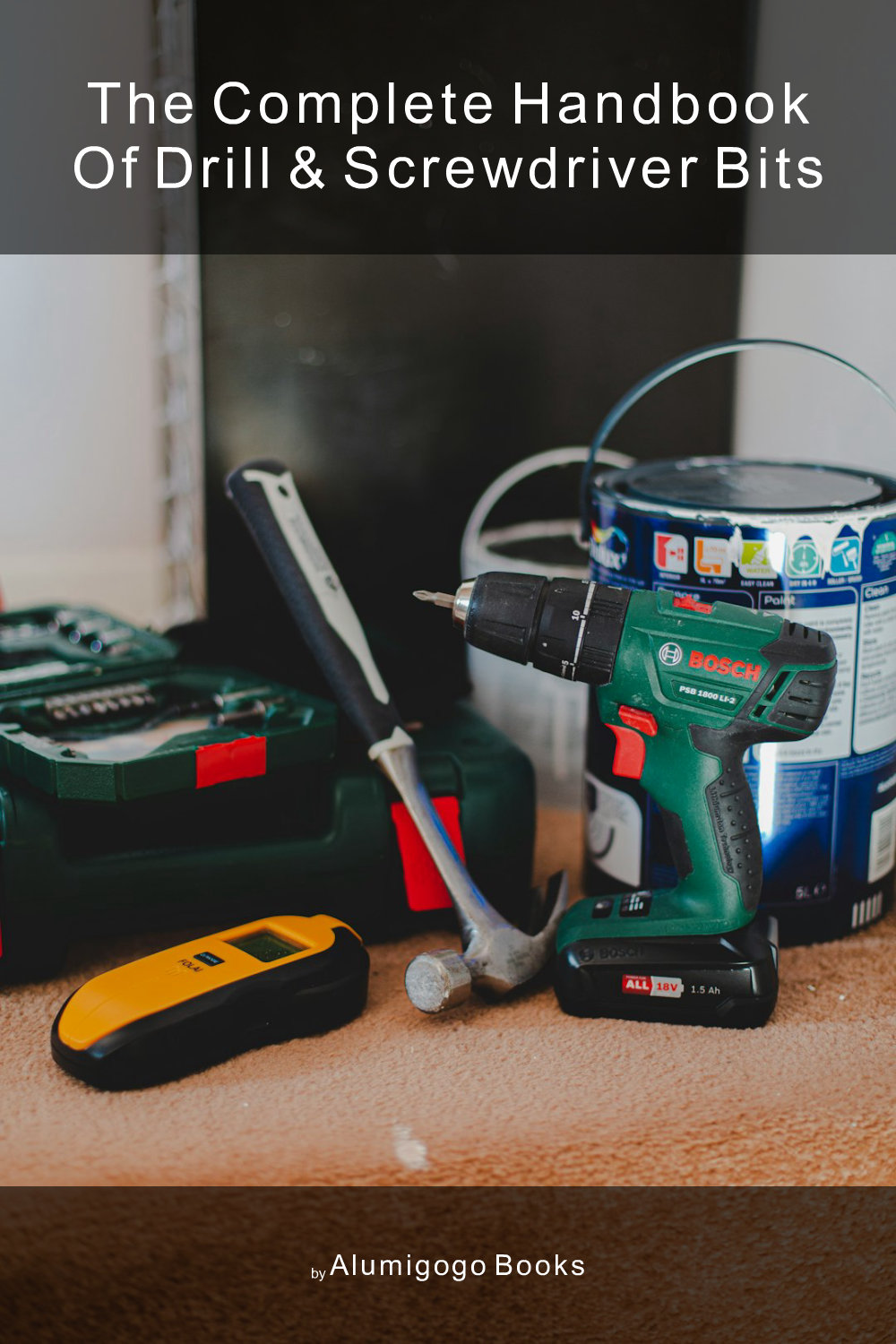
The Complete Handbook of Drill & Screwdriver Bits
Professional Selection, Application, and Maintenance for Contractors, Shops, and Serious Users
★★★★★3.6 · 7 reviewsby Alumigogo Books
non-fiction
The complete reference for choosing, using, and maintaining drill and screwdriver bits—no marketing, just practical knowledge for professionals who need it.
🔒Secure checkout via Stripe
Labor Day Sale
$9
About this book
Drill and screwdriver bits are small tools with outsized impact. Pick the wrong one for your material and you'll burn through bits, damage your equipment, and waste hours. Use them correctly and they last longer, work faster, and produce better results.
This handbook is written for professionals, contractors, shop managers, and serious hobbyists who use bits regularly and need to make decisions based on facts, not marketing. You'll learn what bits actually are and how they work, how to read and understand specifications, how to choose the right bit for steel, wood, concrete, composite materials, and specialty applications, and how to maintain your collection for maximum life and performance. We cover real failure modes, troubleshooting strategies, and the business opportunities in bit supply, resale, and service.
No filler, no hype—just practical knowledge grounded in real-world use.
Reader Reviews
Carol Wright
★★★★★I bought this expecting a quick guide but it's really thorough—maybe too thorough in some places. The early chapters on how bits actually work are solid and the material-by-material selection framework is useful. I wish there was more on cost analysis and ROI for shops that buy in bulk. Still, it's honest and doesn't waste time on fluff.
Melissa Carter
★★★★★This is what I wish I'd had five years ago when I started managing tool inventory for our crew. The troubleshooting section alone paid for the book—we were replacing bits way too often because we didn't recognize the early signs of wear. My only minor complaint is that some of the business chapter felt generic, but the core material is solid and practical.
Anna Moore
★★★★★Good reference book overall, but I found myself skimming the theoretical explanations about bit geometry. I'm a contractor and I really just needed the selection guide and the troubleshooting stuff, which are excellent. The material-specific sections are helpful but I wish they'd included more on European standards since a lot of our equipment is made overseas.
Donald Hill
★★★★★Solid handbook. It covers what it promises and doesn't try to sell you anything. The bit types chapter is clear and the glossary is worth having. I did expect more on specialty applications—not enough depth on concrete bits for masonry anchoring, or carbide bits for composite materials. Still useful for general contractors though.
Richard Mitchell
★★★★★I appreciated the no-nonsense approach and the real-world examples. The chapter on maintenance and recognizing worn bits actually saved me money—I was replacing bits that just needed cleaning. One thing: the business opportunities chapter felt rushed compared to the technical chapters. More depth there would have been valuable.
Sharon Walker
★★★★★This is exactly what I needed. I run a rental and repair shop and we deal with damaged and worn bits constantly. The troubleshooting and maintenance sections are incredibly practical, and Chapter 6 on business models in this space gave me ideas I'm actually pursuing. No marketing nonsense, just straight talk from someone who understands how bits are actually used. Highly recommend if you're serious about this work.
Margaret Lopez
★★★★★Took me a while to get through but it's a keeper. The material on how bit geometry affects performance is explained better than anything I've found, and the guide to choosing between budget, mid-range, and premium bits is honest about where to actually spend money. The FAQ section nailed common issues my team runs into. Small note: some diagrams would have helped in Chapter 2.