The Complete Handbook of Disposable Cameras
A practical field guide for professionals, businesses, and serious enthusiasts who need to understand, select, use, maintain, and profit from single-use film cameras.
★★★★★4.3 · 6 reviewsby Alumigogo Books
non-fiction
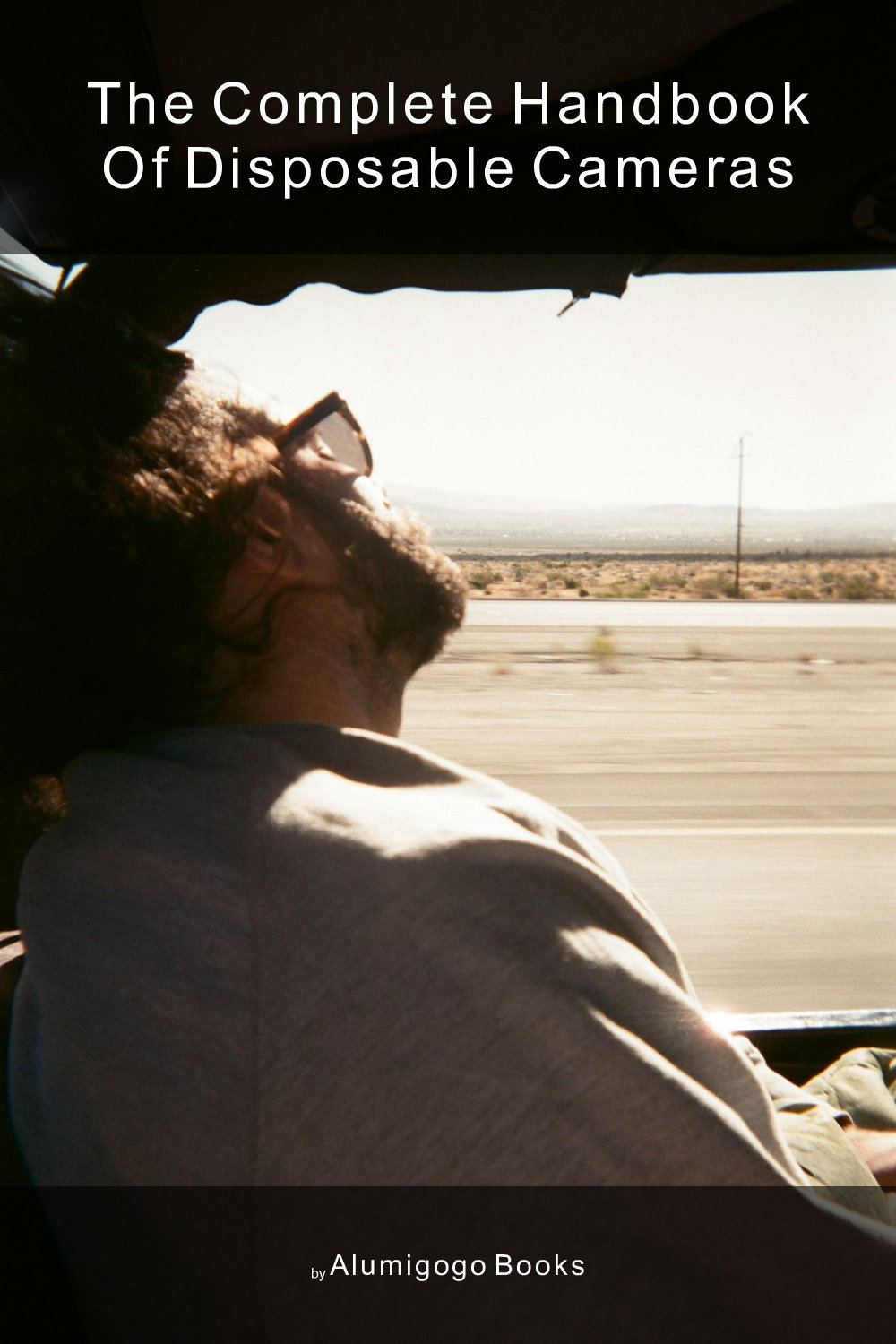
The Complete Handbook of Disposable Cameras
A practical field guide for professionals, businesses, and serious enthusiasts who need to understand, select, use, maintain, and profit from single-use film cameras.
★★★★★4.3 · 6 reviewsby Alumigogo Books
non-fiction
Disposable cameras are not just nostalgia. This handbook teaches the mechanics, selection logic, maintenance, and business models behind them.
🔒Secure checkout via Stripe
Labor Day Sale
$9
About this book
Think you can ignore the lens, the shutter speed, or the film inside a disposable camera and still get good results? Think again. In event planning, retail buying, or rental operations, the difference between a profitable, high-quality outcome and a disappointing one often comes down to a few verifiable specifications. This handbook replaces folklore and anecdote with measurable criteria: the physical focal length of the fixed-focus lens, the nominal shutter speed across lighting conditions, the actual ISO speed of the loaded film, and the mechanical tolerances that determine framecount accuracy.
Written for professionals, businesses, and serious hobbyists, the book covers the entire lifecycle. It walks you through a systematic selection framework tailored to your event, inventory, or production need. It details correct handling procedures, including storage temperature logics and batch-testing habits that mitigate waste. It provides field-level maintenance routines and a structured troubleshooting sequence for the ten most common mechanical and film-advance failures, with instructions for recovery.
The final third of the book approaches disposable cameras as a business tool. It analyzes how manufacturers are positioned across budget, mid-range, and premium tiers, and it lays out concrete operational plans for retail resale, volume rental to weddings and corporate offsites, servicing, and private-label or custom-batch production. You will learn the cost structures and margins of each model. The book also looks forward, covering the shift toward recyclable components and the regulatory landscape that will shape where and how these cameras are sold in the coming years.
Reader Reviews
Ryan Torres
★★★★★It's thorough, I'll give it that. The selection framework for choosing between different models for an event is actually useful, and I appreciated that they explain what focal length and shutter speed actually mean on a disposable camera. My main reservation is that the troubleshooting chapter assumes you are willing to crack the shell open, which I'd argue is beyond what most professionals should be doing with a $10 item. Still, a solid reference for the shelf.
Donald Perez
★★★★★I run a photo booth side-business and add disposable cameras to wedding packages. I made my entire purchasing decision based on the selection framework in Chapter 3, and I have to say it saved me money. The batch-testing protocol for film advance accuracy has eliminated the embarrassing frame-0 returns I used to get. The business chapter is worth the price alone for the rental loss-calculations formulas. This is the first book that treats disposable cameras as what they are: a calculated tool.
Carol Baker
★★★★★I bought this for my museum's gift shop to get smarter about which units we stock. I am a buyer, not a photographer, and this handbook was perfect for me. The specifications chapter translated lens and film jargon into concrete things, and I now know the difference between the basic camera and the premium one is real, not just branding. We adjusted our mix toward the mid-tier after reading the supplier positioning section. My inventory move rate went up. Very practical.
Elizabeth Perez
★★★★★As a film lab technician I was skeptical there would be much new for me. The mechanical explanation of how the shutter and film advance work was fine, but honestly it's things I have known for years. I did find the chapter on maintenance and troubleshooting useful when it came to the structural reasons why certain cameras jam in humid environments. The business opportunity chapter felt a bit thin on technical servicing details, but it is a handbook, not a service manual.
Brian Hernandez
★★★★★Brilliant handbook. I give workshops on film photography, and I have been citing the physical focal length specs for the last three weeks. The myth-busting done in the first chapter about disposable cameras having horrible lenses is refreshing - it is about knowing the limitations of the lens, not dismissing it. The troubleshooting guide for the stuck advance wheel actually worked at my last workshop. Very clear prose, no pointless fluff, and I appreciate that the author actually understands mechanical cameras.
Joshua Perez
★★★★★I bought it for the rental business chapter, and I was not disappointed. We built a return-on-investment model for our event rental program based directly on the loss and damage formulas in Chapter 6. It is the only resource I have ever found that calculates the cost of a lost camera against the cost of the film processing. The book is honest about limitations and does not oversell image quality. My only wish is that there were more photographs or diagrams inside. Still, a five-star reference for anyone in this business.