The Complete Handbook of Dishwasher Cleaners
A Practical Reference for Professional, Commercial, and Serious Residential Use
★★★★★4.0 · 3 reviewsby Alumigogo Books
non-fiction
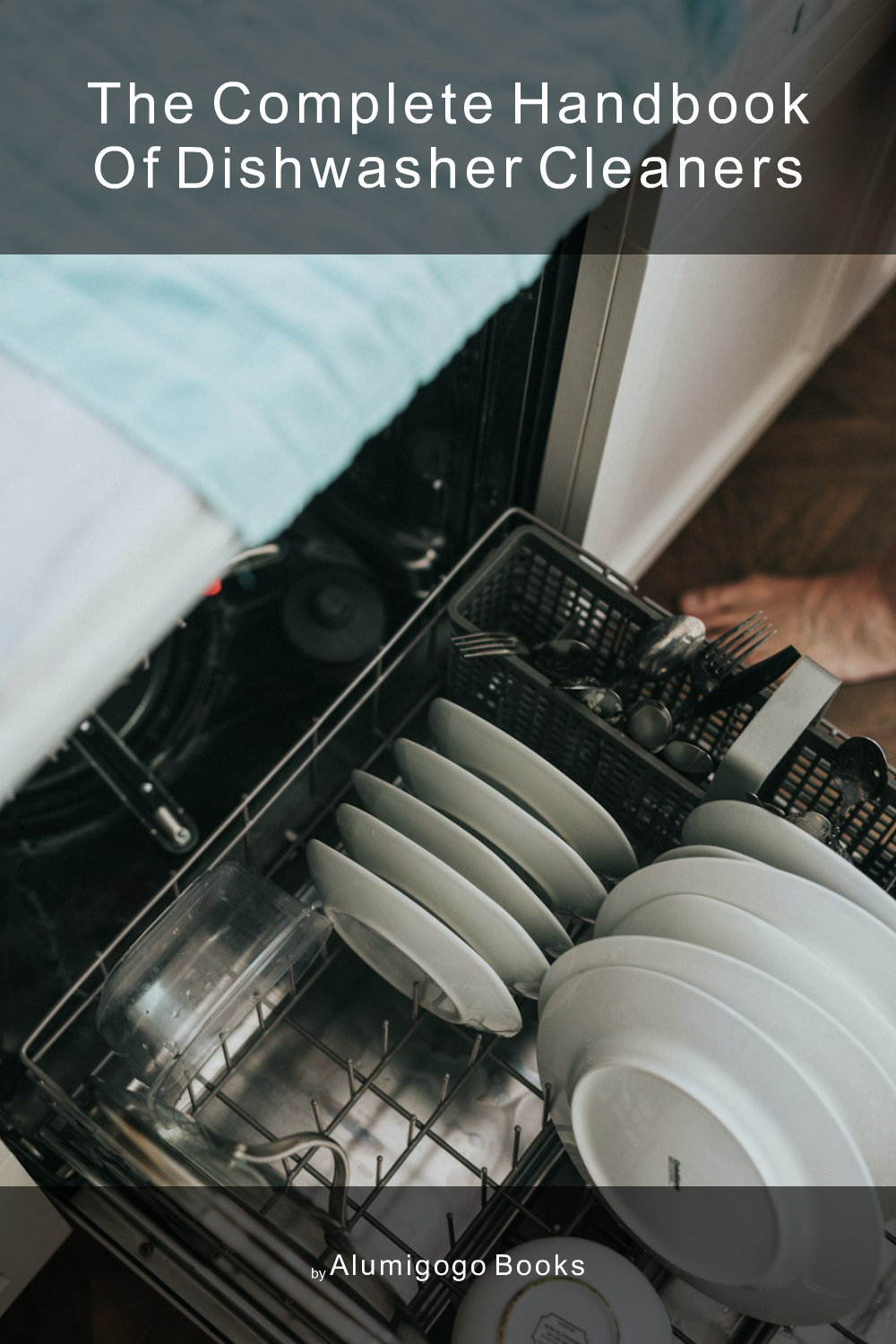
The Complete Handbook of Dishwasher Cleaners
A Practical Reference for Professional, Commercial, and Serious Residential Use
★★★★★4.0 · 3 reviewsby Alumigogo Books
non-fiction
The definitive technical reference on dishwasher cleaners: chemistry, application, troubleshooting, and the business of cleaning dishwashers.
🔒Secure checkout via Stripe
Labor Day Sale
$9
About this book
This handbook is a practical, technical reference for anyone who treats a dishwasher as a piece of equipment that needs proper maintenance, not just an appliance that washes dishes. It begins with the fundamentals: what dishwasher cleaners actually do, the chemistry of removing limescale, grease, and biofilm, and why a neglected dishwasher leads to poor wash results, glass etching, and premature component failure. The book then moves systematically through the different product types—from citric-acid-based descalers to enzyme-heavy degreasers—and explains how to match a product to your specific machine, water hardness, and usage patterns.
For professionals, the book covers the complete business cycle: how to evaluate cleaners for commercial use, how to train staff on proper application, and how to troubleshoot the most common failures that lead to service calls. It also offers a dedicated section on building a business in this space, whether through a residential cleaning service, a private-label product line, or a specialized maintenance consultancy. An entire chapter is devoted to future trends, including solid-dose tablets, eco-certification requirements, and smart-machine integration.
Written in clear, direct language, this handbook is designed to be used, not just read. It includes troubleshooting flowcharts, specification comparison checklists, and a glossary of terms. It is the only book on this subject written for the serious user who wants professional-grade results and the business-minded reader who wants to turn that knowledge into revenue.
Reader Reviews
James Johnson
★★★★★It's a solid reference, I'll give it that. The chemistry section is clear and the comparisons between citric acid and enzyme-based products are useful. My only real gripe is that the troubleshooting chapter felt a bit basic if you've been in the repair game for a while; I was hoping for deeper coverage of commercial machine issues. For a homeowner or someone just starting a service business, it's probably perfect. I'd say it's worth the price, but it's not the advanced manual the title led me to believe.
Andrew Scott
★★★★★This fills a gap that's been annoying me for years. I run a small cleaning service and I've always relied on trial and error to pick products. The chapter on choosing the right cleaner for water hardness alone has already saved me a few service calls. I docked a star only because I wish there were a few more photos or diagrams of the actual chemical reactions, and the section on future trends felt a bit speculative. Otherwise, it's a very practical, no-fluff book that I've already marked up extensively.
Christopher Jones
★★★★★Finally, a book that treats this as a serious technical subject. I bought it for the business chapter, thinking it might be a few pages of generic advice, but the detail on private-labeling and the cost breakdowns for a residential cleaning service were worth the price on their own. The troubleshooting section paid for itself the first week when I diagnosed a recurring odor issue on a commercial machine that was costing a client money. It's written in plain English, but it never talks down to you. This is the definitive reference on the subject.