The Complete Handbook of Crayons
A professional guide to selection, use, maintenance, and business opportunity in the crayon market
★★★★★4.3 · 4 reviewsby Alumigogo Books
non-fiction
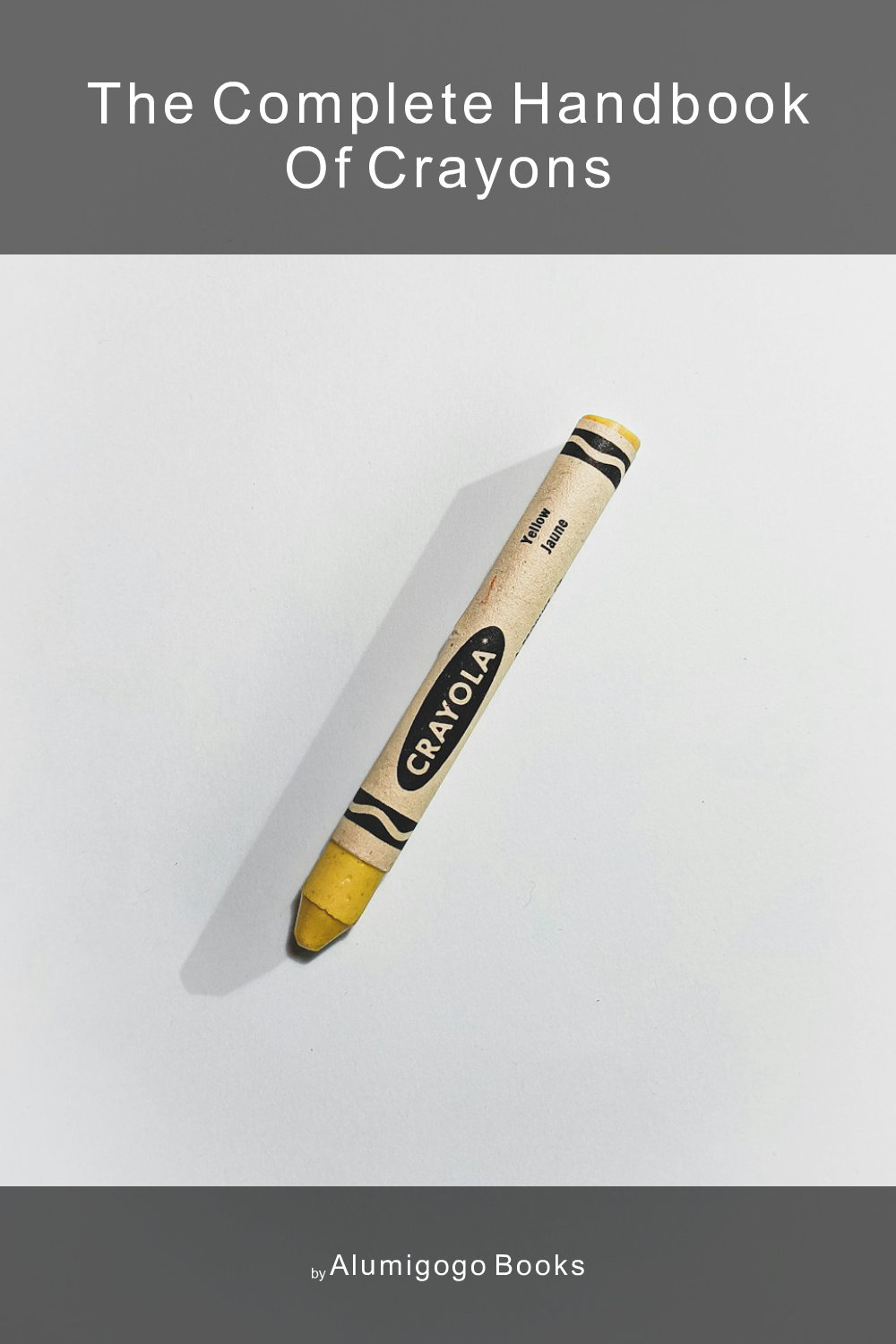
The Complete Handbook of Crayons
A professional guide to selection, use, maintenance, and business opportunity in the crayon market
★★★★★4.3 · 4 reviewsby Alumigogo Books
non-fiction
Professional reference guide to crayon specifications, selection, maintenance, sourcing, and business opportunity. For serious buyers, educators, designers, and entrepreneurs who need facts, not marketing.
🔒Secure checkout via Stripe
Labor Day Sale
$9
About this book
Crayons appear simple. They are not. Behind the familiar stick of wax lies a category with genuine technical depth: specific pigment formulations that affect lightfastness and heat behavior, manufacturing processes that determine durability, performance standards that separate student-grade from professional supplies, and a sourcing landscape where informed buyers can capture significant margin.
This handbook is for professionals, educators, businesses, and serious hobbyists who need to make informed decisions about crayons. It covers what crayons actually are and how they work—from wax chemistry to pigment behavior. It explains the types and specifications that matter when choosing: why some crayons perform better in humid environments, what lightfastness standards mean for artwork longevity, how to read manufacturing specs. It walks through selection criteria for specific use cases, installation and daily use best practices, and routine maintenance and troubleshooting for common problems like breakage, color inconsistency, and storage degradation.
The book also maps the professional landscape: major brands and their positioning across budget, mid-market, and premium segments; wholesale sourcing and business opportunity for resellers, distributors, and private-label operators; and where the market is actually heading—new material compositions, regulatory changes, and emerging use cases. Whether you're sourcing for a school district, managing inventory for a retail operation, building an art supply business, or simply want to understand why some crayons perform better than others, this handbook provides the concrete, practical knowledge you need.
Reader Reviews
Deborah Torres
★★★★★I bought this expecting a quick buyer's guide and got something much more useful. The chapter on wax formulation and how pigment load affects performance actually changed how I source crayons for our school district. My only criticism: I wish there was more on the budget sourcing channels—there's good information on mid-market and premium brands, but I needed more specifics on wholesale distributors for bulk ordering. Still, solid reference.
Robert Walker
★★★★★Finally, a book that treats crayons like the actual product they are instead of a kids' toy. I run a small art supply retail operation and have been making sourcing decisions based on rep pitches and gut feel for years. This handbook walks through brand positioning, margin structure, and how to evaluate specs so you're not just buying what's cheapest. The maintenance chapter alone paid for the book—I've cut our damage claims in half by following the storage protocols. Highly recommend for anyone in the business.
Kathleen Hill
★★★★★The technical chapters are solid and well-researched, but I found the book a bit heavy on manufacturing detail for what I needed. I'm an art teacher looking for guidance on choosing between crayon brands for classroom use and understanding storage issues we were having. That information is here and it's good, but I had to wade through a lot of pigment chemistry and business opportunity material that wasn't relevant to me. Useful, but not perfectly pitched to every professional audience.
Charles Flores
★★★★★This is exactly what I needed. I'm starting a small private-label crayon line and wanted to understand the category deeply before investing in manufacturing equipment and sourcing partnerships. The chapter on brands and business opportunity is practical—it maps out where the margin actually is in this market and what suppliers look for in a new player. The specifications chapter helped me understand what makes a differentiated product, not just a me-too offering. This saved me from making rookie mistakes. Essential reading if you're serious about this category.