The Complete Handbook of Computer Components
A practical reference for professionals, businesses, and serious hobbyists who specify, install, maintain, or troubleshoot computer components
★★★★★4.3 · 7 reviewsby Alumigogo Books
non-fiction
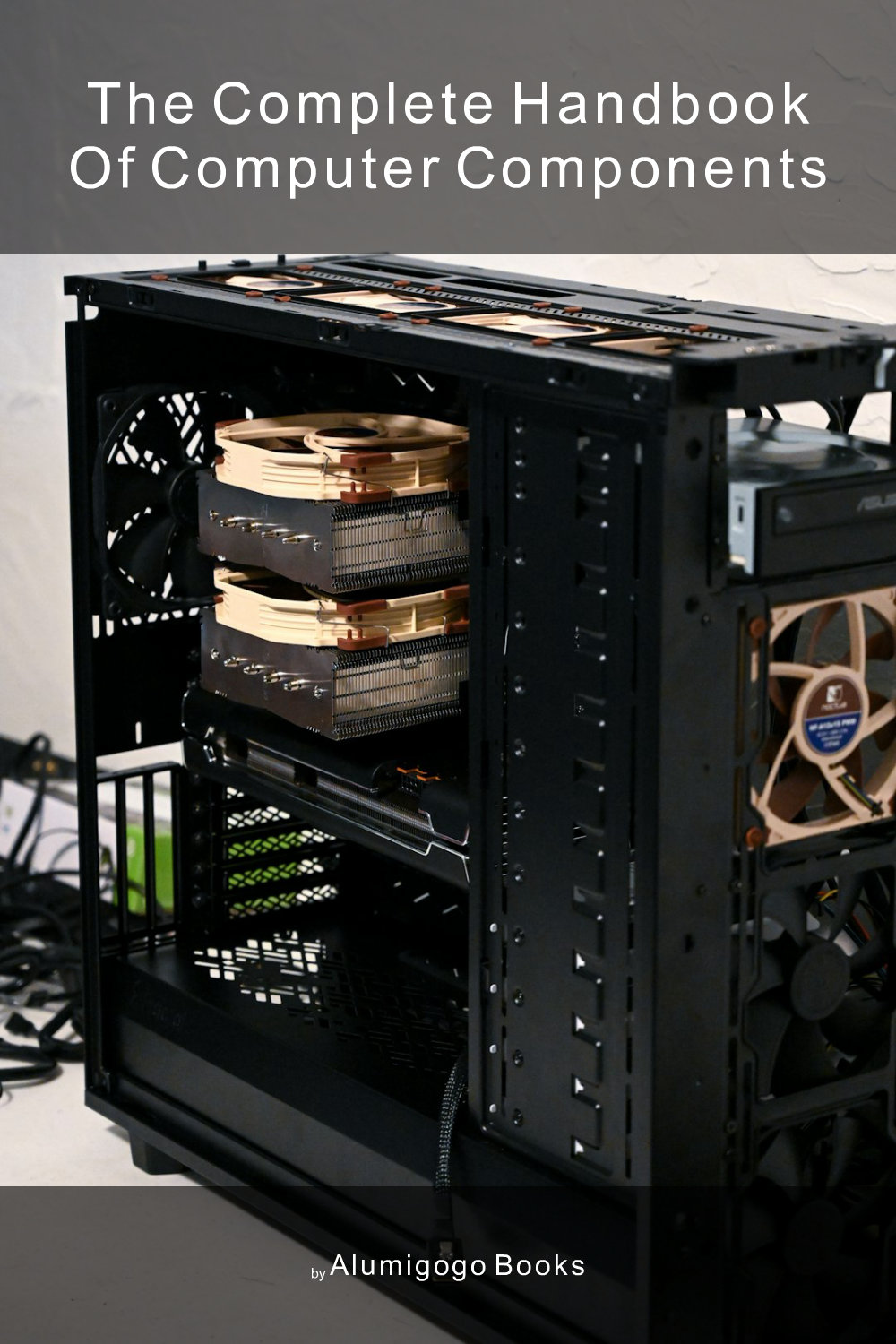
The Complete Handbook of Computer Components
A practical reference for professionals, businesses, and serious hobbyists who specify, install, maintain, or troubleshoot computer components
★★★★★4.3 · 7 reviewsby Alumigogo Books
non-fiction
Practical, specification-focused reference for choosing, installing, maintaining, and troubleshooting computer components without marketing hype.
🔒Secure checkout via Stripe
Labor Day Sale
$9
About this book
Computer components are the foundation of every functioning system—yet most people choose them based on marketing claims, retailer recommendations, or guesswork rather than understanding what specifications actually mean or why certain choices matter for their use case.
This handbook is written for IT professionals, system integrators, hardware technicians, small business owners, and serious hobbyists who need authoritative, practical reference material. You'll learn what computer components actually are and how they work, which specifications are meaningful and which are marketing noise, how to choose the right component for your specific situation (not just the fastest or cheapest), how to install and configure them correctly, how to diagnose and fix the most common failures, and where real business opportunities exist in this space.
Unlike buying guides and manufacturer datasheets, this book connects specification to real-world decision-making. You'll understand thermal design power, component degradation, compatibility constraints, and failure modes—the knowledge that separates informed choice from expensive mistakes.
Reader Reviews
Susan Brown
★★★★★This handbook has a lot of solid technical information, and I appreciated the focus on actual specifications rather than marketing. However, I found some sections on compatibility matrices too dense without enough worked examples. The troubleshooting chapter was genuinely useful, but I wish Chapter 2 had more comparison tables to help me understand performance differences between similar components. Still a solid reference that I'll keep on my desk.
Anna Johnson
★★★★★Exactly what I needed. I'm a system integrator who specifies equipment for small businesses, and this handbook cut my research time in half. The chapters on choosing components and understanding specifications were particularly good—no fluff, just concrete guidance on what actually matters for different workloads. The glossary alone has saved me from several purchasing mistakes already.
Deborah Flores
★★★★★I run a small computer repair shop, and I've recommended this book to both my technicians and customers. The maintenance and troubleshooting chapter is the best I've seen—it walks through actual diagnostic procedures instead of just listing symptoms. The explanation of thermal design power and why it matters finally gave me a way to explain component selection to clients who think gigahertz is everything.
Joseph Walker
★★★★★As a hardware engineer, I was skeptical of a generalist handbook, but this is genuinely well-researched. The chapter on future trends and regulatory changes is ahead of anything I've read in trade publications. The business opportunities section gave me real ideas for a consulting side project. Highly recommend for anyone serious about this field.
Shirley Hill
★★★★★Very useful overall, especially the installation and configuration section—I finally understand why certain BIOS settings matter. My only real complaint is that the component types chapter covers processors and storage thoroughly but could have given more depth to power supplies and cooling solutions. Still, for the price, it's a must-have reference.
Jeffrey Scott
★★★★★Good reference material, but I feel like I've seen similar information in manufacturer datasheets and tech forums. The organization is cleaner than scattered sources, which is helpful, though some chapters (especially the FAQ) don't add much beyond what's in earlier sections. I don't regret buying it, but it didn't revolutionize how I approach component selection the way I'd hoped.
Gary Nelson
★★★★★This is the book I wish existed when I started managing IT infrastructure for our company. The chapter on choosing components for specific workloads finally explained why a gaming rig and a rendering workstation need different specifications even though they both need high performance. The troubleshooting procedures have already saved us thousands in unnecessary hardware replacement. Essential reading for anyone responsible for computing infrastructure.