The Complete Handbook of Compactors
An Engineer's Guide to Selection, Operation, and Maintenance for Construction and Industrial Professionals
★★★★★3.7 · 3 reviewsby Alumigogo Books
non-fiction
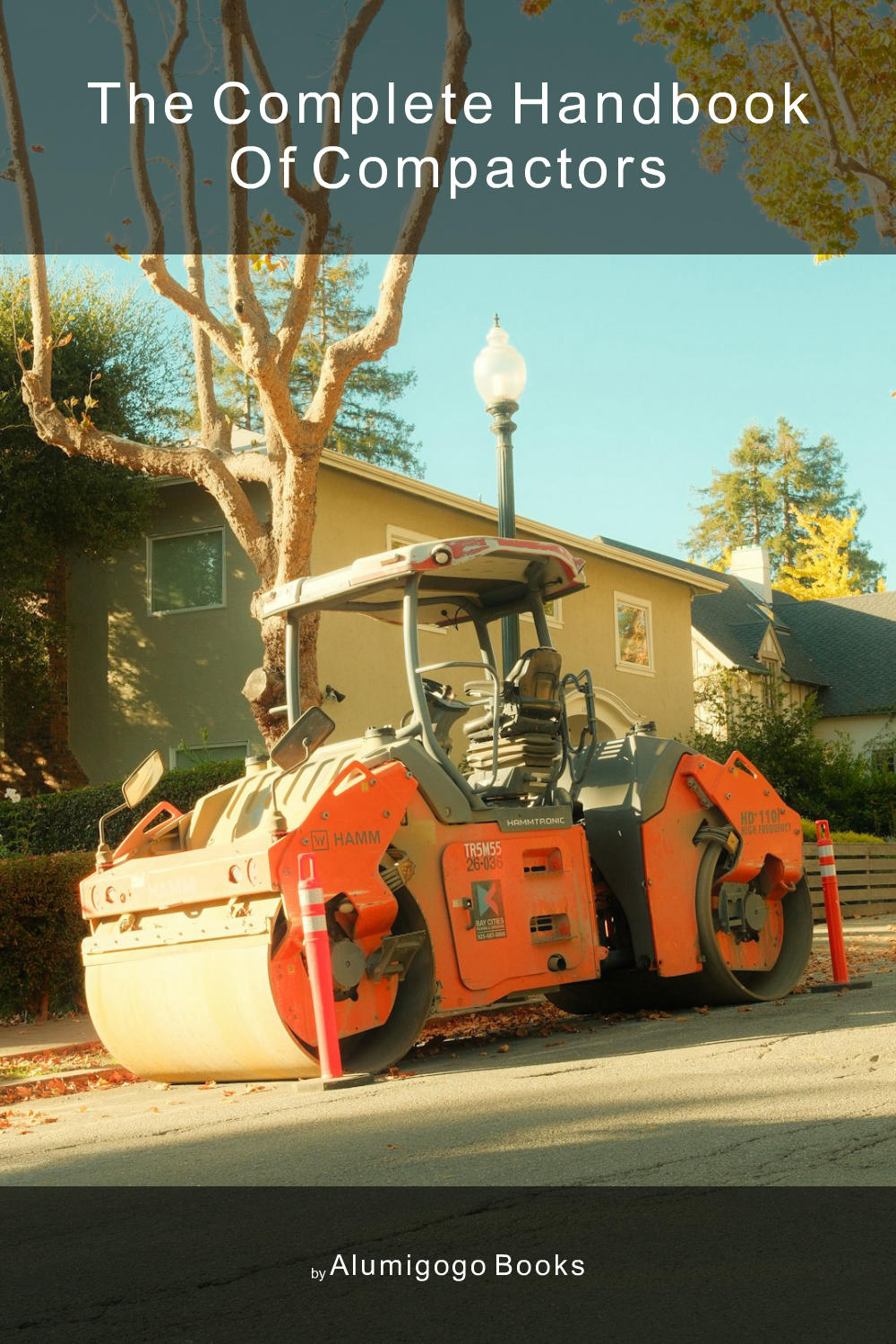
The Complete Handbook of Compactors
An Engineer's Guide to Selection, Operation, and Maintenance for Construction and Industrial Professionals
★★★★★3.7 · 3 reviewsby Alumigogo Books
non-fiction
Select, operate, and maintain the right compactor for any job—from a walk-behind plate to a 20-ton roller. Engineering-based guidance, not vendor hype.
🔒Secure checkout via Stripe
Labor Day Sale
$9
About this book
Proper soil and asphalt compaction is the invisible bedrock of every stable structure, road, and runway. getting it wrong means settlement cracks, failed density tests, and expensive rework. Yet most guidance on compactors comes from marketing brochures or tribal knowledge. This handbook replaces both with a clear, engineering-based approach to the entire lifecycle of compaction equipment.
Divided into nine practical chapters, the book starts by grounding you in the physics of compaction—what actually happens to soil and asphalt under static and dynamic loads, and why different materials demand different machine parameters. It then walks you through the full equipment landscape: walk-behind plates, rammers, trench compactors, smooth-drum and padfoot rollers, and vibratory vs. static machines. Each chapter is built around specifications that matter, maintenance schedules that prevent downtime, and troubleshooting charts that get you back to work fast. Business owners will find a dedicated chapter on rental economics, fleet resale values, and service-based opportunities.
Whether you are a project engineer specifying compaction for a 10-mile highway rebuild or a general contractor maintaining a single plate compactor, this handbook gives you the concrete knowledge to make confident, cost-effective decisions. It addresses the real-world problems—soil type changes, moisture content targets, lift thickness calculations, and operator errors—that turn routine jobs into costly headaches. No filler, no fluff, just the technical knowledge you need to compact right and get paid.
Reader Reviews
Mark Allen
★★★★★I bought this hoping for a comprehensive reference, and it's solid, but it reads a bit dry in places. The chapter on troubleshooting is genuinely useful—helped me diagnose an eccentric weight issue on our plate compactor that the dealer wanted $250 just to look at. I was a little let down that the brand comparisons in Chapter 6 felt a bit general; I was hoping for more specific model recommendations. Still, it earned its keep on my shelf, so it's a decent buy.
Jonathan Anderson
★★★★★Finally, someone wrote the book I've been looking for. As a project superintendent on highway jobs, I've had to archive density test failures more times than I care to admit. This handbook changed how we run our lifts. The section on understanding why vibratory force can actually decouple at high amplitudes made immediate sense of a problem we've been fighting for years. We adjusted our roller settings based on the table in Chapter 3 and passed our next test on the first pass. The maintenance chapter alone will save you the cost of the book in one shop visit. I bought copies for my entire crew.
Donald Nelson
★★★★★I'm an independent contractor, mostly residential and small commercial pads. This book is very thorough, maybe too thorough for my scale. I found the chapters on soil mechanics and asphalt compaction more than I needed for running a 5,000-pound roller. The equipment selection logic was good, though. It helped me firmly talk a potential client out of renting a wacker plate for a job that clearly needed a trench roller. If you do bigger commercial work, this is probably a 5-star book. For someone like me, it's a solid reference with some chapters that get skimmed.