The Complete Handbook of Collectible Weapons
A Professional's Guide to Collecting, Valuing, and Trading Weapons Through History
★★★★★4.0 · 1 reviewby Alumigogo Books
non-fiction
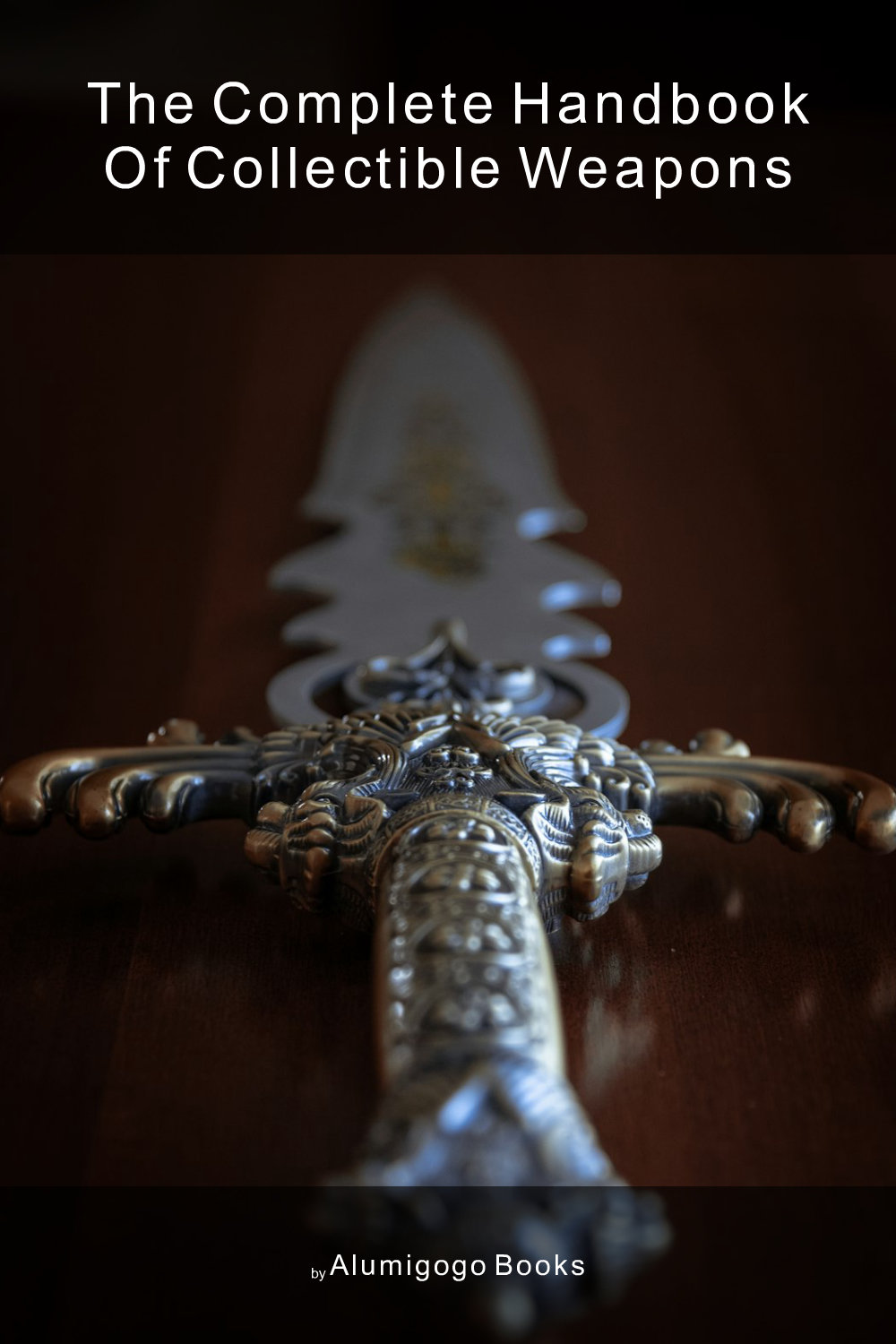
The Complete Handbook of Collectible Weapons
A Professional's Guide to Collecting, Valuing, and Trading Weapons Through History
★★★★★4.0 · 1 reviewby Alumigogo Books
non-fiction
The practical reference for authenticating, valuing, and trading collectible weapons—for professionals who need facts, not opinions.
🔒Secure checkout via Stripe
Labor Day Sale
$9
About this book
Collectible weapons span centuries of craftsmanship, history, and engineering—and the market demands expertise. Whether you're evaluating a potential acquisition, authenticating a piece for sale, maintaining a private collection, or building a business around weapons dealing or restoration, you face real challenges: How do you verify authenticity? What condition factors actually affect resale value? Which regulations apply to your jurisdiction? How do you spot common restoration problems before buying?
This handbook provides the answers professionals rely on. You'll learn the specifications and grading standards that matter; the authentication methods used by dealers and museums; the maintenance protocols that preserve value; the legal and regulatory landscape; and the concrete business models that generate revenue in this space. Grounded in real-world examples and designed for immediate reference, this is the guide serious collectors, dealers, appraisers, and institutions consult when precision matters.
Reader Reviews
Rebecca Clark
★★★★★I picked this up as a dealer who's been in the market for years, expecting it to be either too basic or full of collector nostalgia. Instead, the first chapter alone—the breakdown of how value actually works (rarity, condition, provenance, historical significance)—gave me a clearer framework than I've assembled from twenty years of auction catalogs and forum debates. The condition grading standards in Chapter 2 and the business models in Chapter 6 are exactly what I needed. My only wish is there were more case studies worked through step-by-step, but the content is solid and genuinely useful.