The Complete Handbook of Clocks
A practical reference for buyers, owners, and professionals in horology and timekeeping
★★★★★4.0 · 5 reviewsby Alumigogo Books
non-fiction
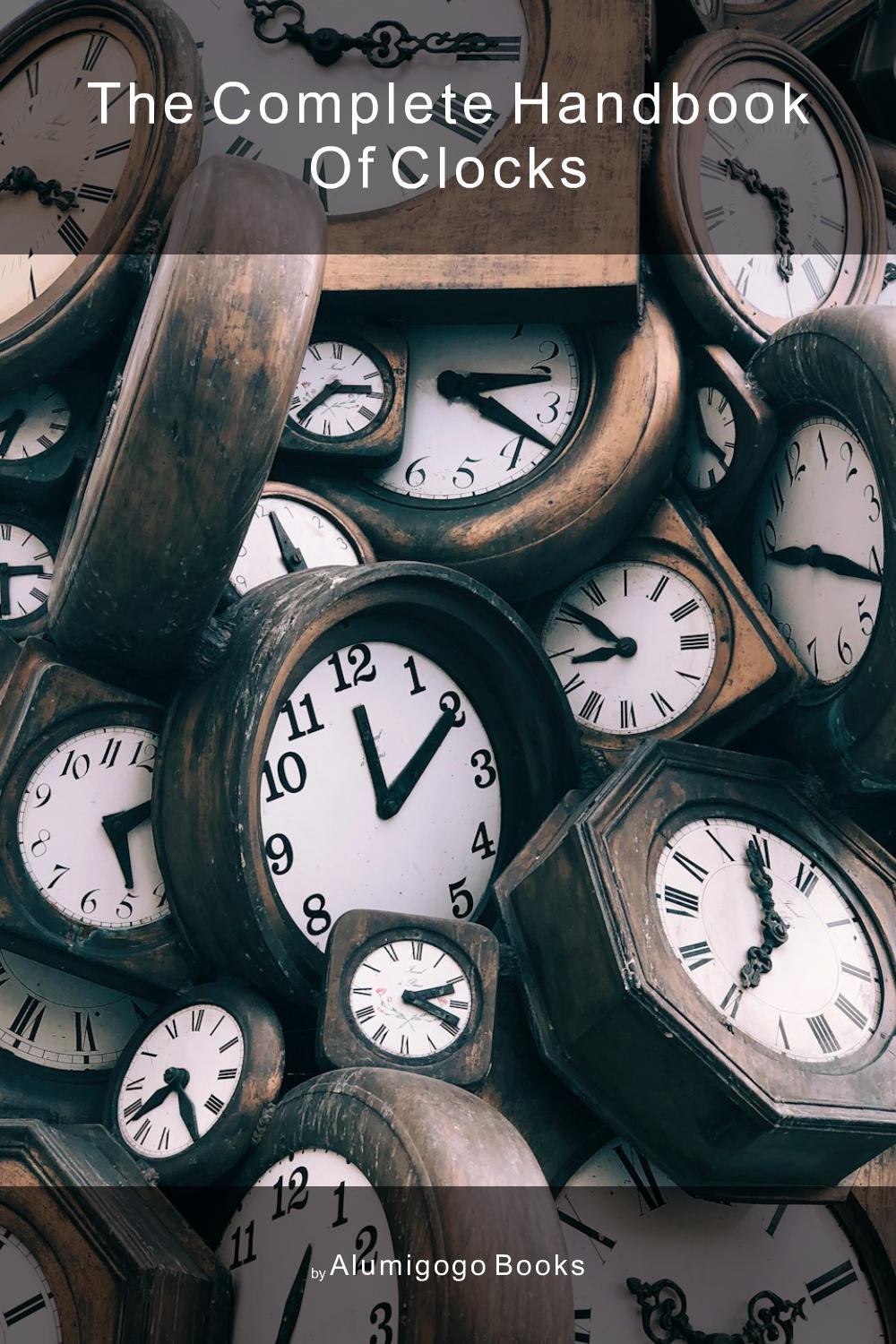
The Complete Handbook of Clocks
A practical reference for buyers, owners, and professionals in horology and timekeeping
★★★★★4.0 · 5 reviewsby Alumigogo Books
non-fiction
From quartz movements to tall-case clocks: the technical and commercial reference for anyone serious about timekeeping.
🔒Secure checkout via Stripe
Labor Day Sale
$9
About this book
The Complete Handbook of Clocks is the reference manual for anyone who works with clocks beyond just reading them. Whether you are a facility manager specifying a synchronized clock system for a school, an interior designer selecting a statement piece for a lobby, or a repairer diagnosing a faulty movement, this book delivers the concrete technical knowledge you need. It covers the mechanics of timekeeping (from balance wheels to atomic synchronization), the real-world specifications that differentiate a $50 clock from a $5,000 clock, and the installation procedures that manufacturers often omit from their manuals.
The book also addresses the practical realities of clock ownership and commerce. You'll learn the specific steps for setting up and troubleshooting common movement types, the grading systems used in the antique trade, and a thorough breakdown of business opportunities including servicing, parts supply, private-labeling, and rental. With a glossary of technical terms and a forward-looking section on market trends and standards bodies, it is designed to be a long-term reference that you will consult anytime you face an unfamiliar clock or a complex purchasing decision.
Finally, this handbook is written in plain, neutral language. It avoids the fluff of marketing brochures and the fragmented advice of message boards. It is structured, technical, and directly actionable for those who need to get the job done right.
Reader Reviews
Matthew Young
★★★★★I run a small office refurbishing business and I've been forced to rely on broken bits of manufacturer PDFs and forum hearsay for years. This book is a massive step up. The chapter on installation was clear enough to hand to my tech team as a primer, and the technical specification breakdowns have already helped me negotiate a better price on a bulk order of quartz movement wall clocks. I docked a star only because I wish the troubleshooting section covered more on radio-controlled sync errors. But as a desk reference, it's worth its weight.
Ronald Adams
★★★★★As a hobbyist restorer, I thought I knew the basics, but the breakdown of different escapement types (anchors, deadbeat, and so on) in the first chapter was refreshingly clear. The book is well-structured and skips the fluff. I especially appreciated the notes on what specs actually matter for long-term reliability versus what's just marketing jargon. It won't replace a proper service manual, but I keep it next to my workbench as a first reference. A solid handbook.
Deborah Wright
★★★★★I'm an assistant facility manager for a hospital group, and this came at the right time as we're upgrading our timekeeping systems. The chapter on installation and usage covers environmental factors like wall construction and accessibility in a straightforward way that I could directly apply to our refurbishment plans. It's not a thrilling read by any means, but it's full of useful, credible information that I've already used in a meeting with our contractor. Very practical, if occasionally dry.
John Hall
★★★★★It's a competent reference, but I was hoping for a bit more depth on identifying and valuing vintage mechanical clocks for my side-business, and the book feels more weighted toward modern electrical and synchronized systems. The business opportunity section was a useful overview, but it's just a starting point. If you're working strictly with antique tall-case or wall clocks, you'll want to supplement this with specialist horology texts. For a general grounding, it's fine.
Barbara Brown
★★★★★This is the handbook I've been waiting for! I'm a theatrical props master, and I often need to source and maintain period-appropriate clocks on a tight budget. The sections on movement grades and the precise notes on winding and leveling have already saved me a professional repair fee. I appreciate the no-nonsense tone; it feels like a practical engineer wrote this. The glossary alone is worth the purchase price. I highly recommend this for anyone who has any sort of professional interaction with clocks.