The Complete Handbook of Cholesterol Analyzers
A Practical Reference for Clinical, Point-of-Care, and Home-Use Devices
★★★★★4.0 · 7 reviewsby Alumigogo Books
non-fiction
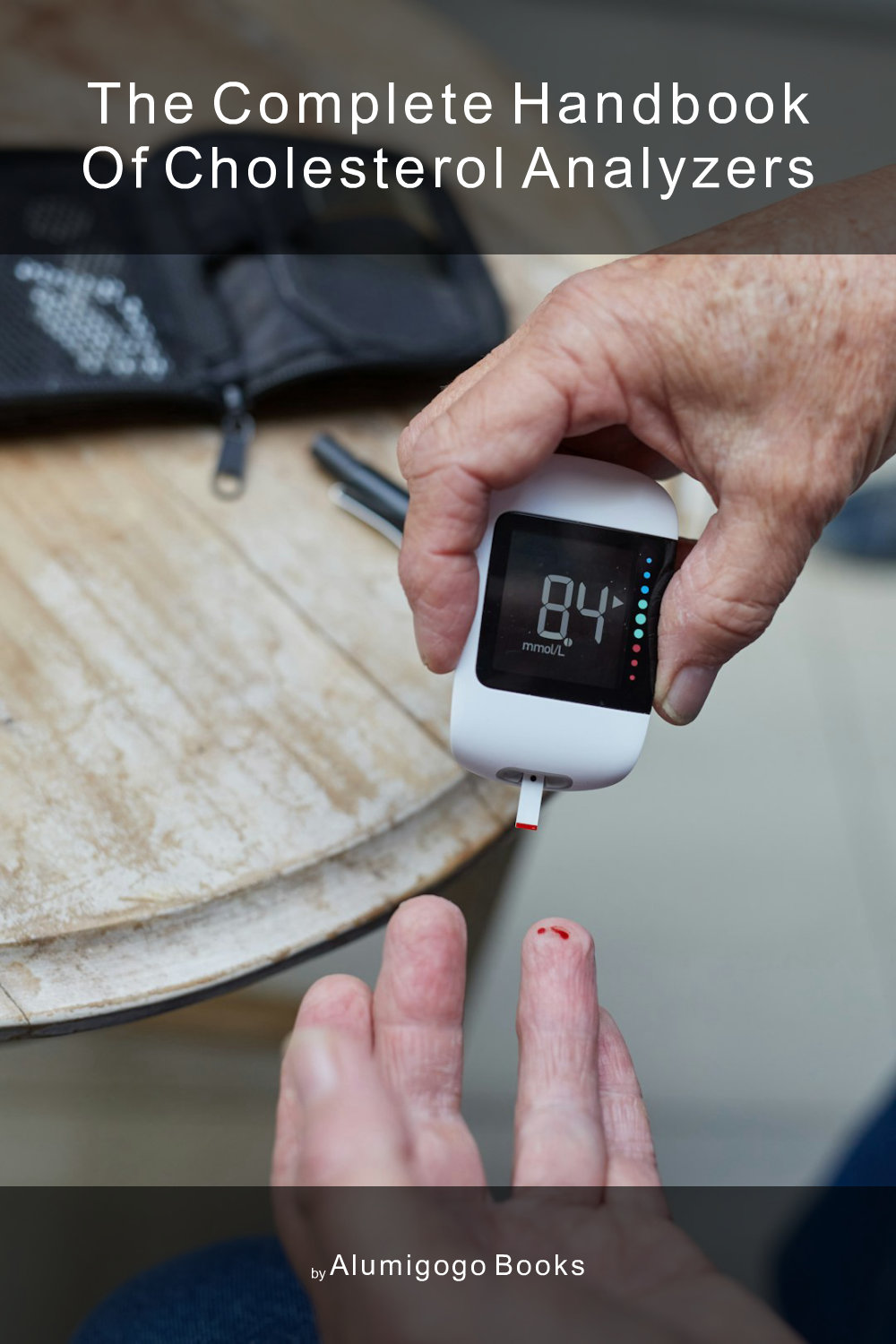
The Complete Handbook of Cholesterol Analyzers
A Practical Reference for Clinical, Point-of-Care, and Home-Use Devices
★★★★★4.0 · 7 reviewsby Alumigogo Books
non-fiction
The complete reference for anyone who uses, evaluates, or maintains cholesterol analyzers in clinical, point-of-care, or home settings.
🔒Secure checkout via Stripe
Labor Day Sale
$9
About this book
Cholesterol analyzers have become indispensable in medical practice—from doctors' offices and clinics to pharmacies and home monitoring programs. Yet most users navigate these devices armed only with manufacturer manuals, vague product marketing, or hard-won experience from mistakes.
This handbook fills that gap. Written for clinical professionals, facility managers, and serious users who want to understand their equipment, it covers the complete lifecycle of cholesterol analyzer ownership and use: how these devices actually work (the chemistry and optics that matter), how to choose the right model for your specific setting and workflow, how to install and use them correctly every day, how to maintain them and diagnose common problems, and how to evaluate brands and consider business opportunities in service, resale, or consulting.
You'll find concrete examples, real-world workflows, and practical guidance grounded in clinical and point-of-care reality—not marketing. Whether you're a lab director evaluating your next analyzer, a clinic nurse implementing point-of-care testing, a home health coordinator selecting devices for patient use, or an entrepreneur exploring opportunities in this sector, this book gives you the knowledge to make informed decisions and operate these devices with confidence.
Reader Reviews
Jason Hill
★★★★★Finally, a handbook that treats cholesterol analyzers like the serious medical devices they are. I run a point-of-care testing program in our clinic, and this book gave me a clear framework for understanding our analyzer's specs, training staff properly, and actually diagnosing what went wrong when our QC failed last month. The real-world troubleshooting chapter alone saved me hours of fumbling through the manual. This is what clinical professionals need.
James Roberts
★★★★★I was evaluating three different analyzers for our new urgent care center and didn't want to just rely on sales reps. This handbook's chapter on choosing the right device walked me through exactly what to compare and why it mattered for our workflow. I ended up with a model that cost less but actually fit our needs better. Highly recommend if you're making a significant purchase decision in this space.
Robert Hill
★★★★★Excellent reference material. The explanation of how electrochemical versus optical methods work was clear and helped me understand the tradeoffs in accuracy and reagent cost for different models. One minor issue: I wish there was more on data integration and EHR connectivity, since that's becoming critical for us. Still, it's the most complete handbook I've found for this category.
Kathleen Allen
★★★★★As a home health coordinator starting a patient monitoring program, I found this book invaluable for understanding what cholesterol analyzers actually do and how to set them up correctly. The chapter on installation and daily use kept me from making beginner mistakes. My only wish is that there were more specific guidance on which models work best for home settings, though the decision framework in Chapter 3 helped me narrow things down.
Eric Young
★★★★★This handbook is exactly what it promises: practical knowledge for people who actually use these devices. The maintenance and troubleshooting chapter is particularly strong, with real examples of what breaks and how to fix it. The business opportunities section also opened my eyes to resale and service work I hadn't considered. Well-written and genuinely useful.
Anthony Young
★★★★★Solid reference book that covers a lot of ground, though some sections felt a bit technical for someone like me who's relatively new to point-of-care testing. The early chapters on how analyzers actually work are good, but I would have appreciated more beginner-friendly guidance on choosing your first device. That said, once you get through the learning curve, this is a comprehensive resource.
Paul Hall
★★★★★This is a useful handbook, and I'm glad it exists—there's definitely a gap in the market for serious, non-marketing material on cholesterol analyzers. My main critique is that it could use more detail on the regulatory landscape, especially around home-use devices and CLIA compliance. The business section is interesting but feels a bit thin. Still, a good solid reference to have on the shelf.