The Complete Handbook of Chainsaws
For professionals, businesses, and serious hobbyists who need to understand, choose, maintain, and profit from chainsaws
★★★★★4.0 · 1 reviewby Alumigogo Books
non-fiction
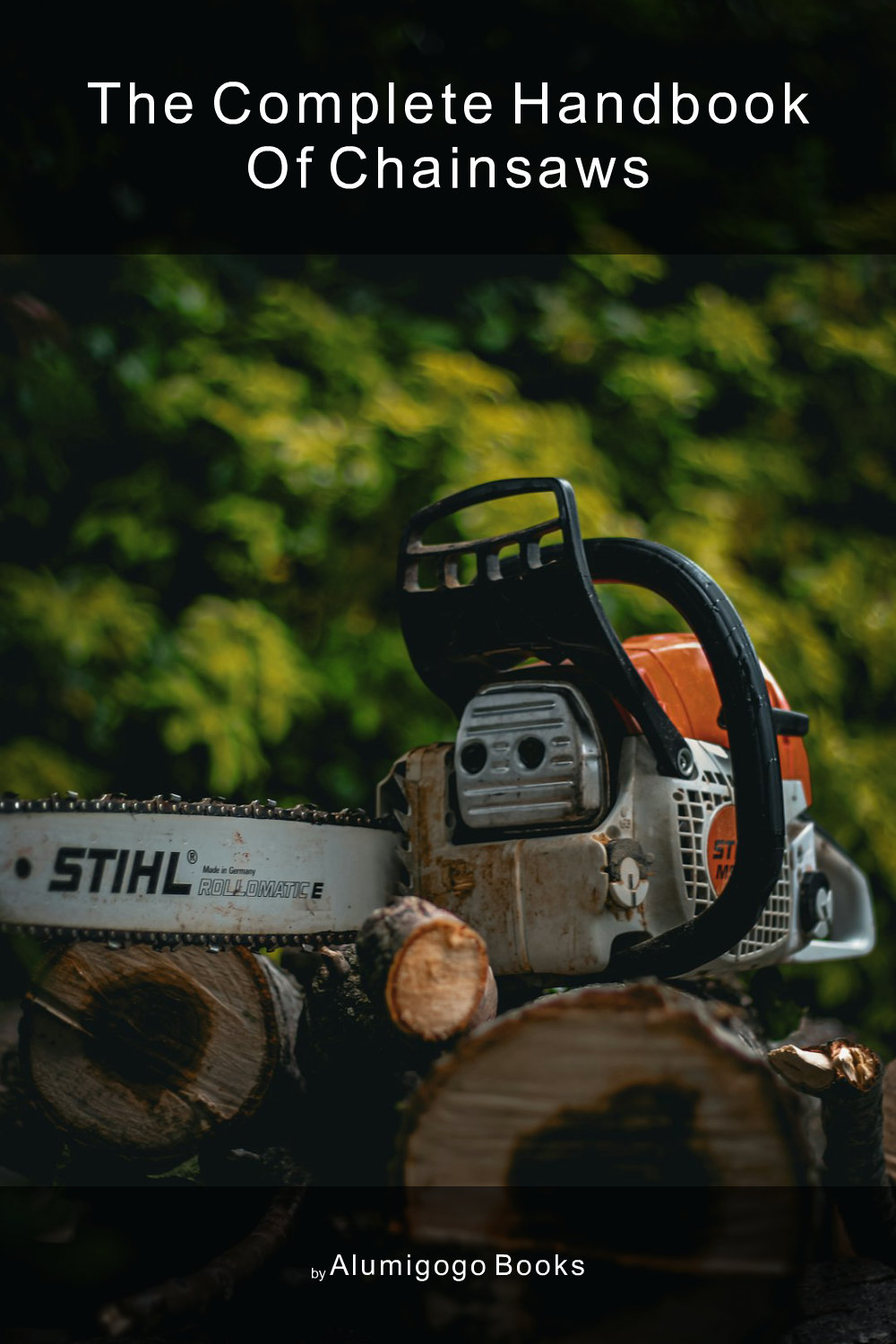
The Complete Handbook of Chainsaws
For professionals, businesses, and serious hobbyists who need to understand, choose, maintain, and profit from chainsaws
★★★★★4.0 · 1 reviewby Alumigogo Books
non-fiction
Everything a professional or serious hobbyist needs to know about chainsaw mechanics, selection, operation, maintenance, and business applications—no marketing, just usable knowledge.
🔒Secure checkout via Stripe
Labor Day Sale
$9
About this book
Chainsaws are deceptively complex machines. A residential user might operate one twice a year for yard cleanup. A professional arborist runs one eight hours daily in varying conditions. A contractor managing a fleet of saws faces procurement, maintenance, and safety decisions that affect both profitability and liability. Yet most chainsaw information available today is either manufacturer-focused (optimized for selling one model) or so generic it applies to no one's actual situation.
This handbook is built for professionals, businesses, and serious hobbyists who need to understand what chainsaws actually are, how they work, which specifications matter for their real job, how to maintain them reliably, and how to make money in this category. Each chapter bridges theory and practice: what happens inside a two-stroke engine and why that matters when you're troubleshooting a cold start; how to read engine displacement and bar length alongside real-world power-to-weight tradeoffs; how rental, service, and private-label opportunities work in the chainsaw market.
This is not a buyer's guide full of affiliate links or a manufacturer's manual for one specific model. It is a reference handbook written for readers who need actionable, honest information.
Reader Reviews
Brian Lewis
★★★★★I run a small tree service and was expecting another generic how-to guide, but this actually digs into the mechanics—I finally understand why my saws are bogging down on big cuts and what displacement and fuel octane have to do with it. Chapter 1 alone saved me from buying the wrong model for my crew. My only complaint is the business chapter could have gone deeper into fleet management math, but overall this is exactly the kind of practical reference I've been looking for.