The Complete Handbook of Cereal & Granola
A practical reference for buyers, sellers, and producers of cereal and granola products
★★★★★3.0 · 1 reviewby Alumigogo Books
non-fiction
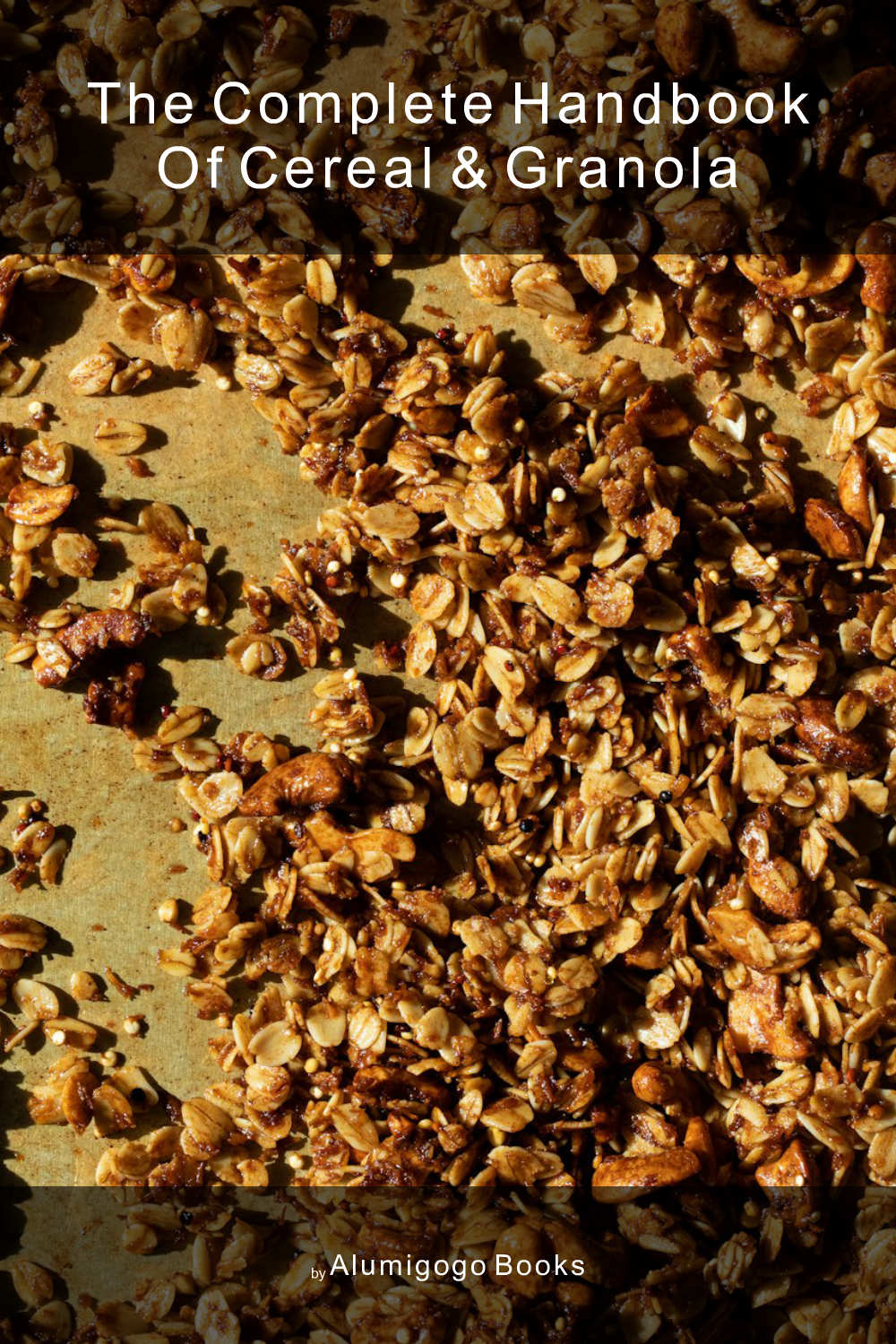
The Complete Handbook of Cereal & Granola
A practical reference for buyers, sellers, and producers of cereal and granola products
★★★★★3.0 · 1 reviewby Alumigogo Books
non-fiction
The working professional's guide to specifying, buying, storing, and selling cereal and granola products—without the marketing fluff.
🔒Secure checkout via Stripe
Labor Day Sale
$9
About this book
In commercial kitchens, grocery aisles, and production facilities, cereal and granola are not just breakfast items—they are engineered food products with specific tolerances, processing histories, and shelf-life characteristics. Yet most guidance comes from manufacturers with a vested interest, or from hobbyist forums where anecdote passes for data. This handbook provides a neutral, technical grounding: how different grains behave under flaking, puffing, and extrusion; what a spec sheet actually tells you; how to evaluate a supplier's quality claims; and how to store products to maintain sensory and nutritional quality.
The book walks through the entire product lifecycle, from raw grain selection and processing methods through packaging, distribution, and end-use. It includes practical troubleshooting guides for common problems like rancidity, sogginess, and infestation, and offers clear criteria for selecting products for different applications—whether for a school breakfast program, a boutique café, or a five-thousand-unit private-label launch. The business chapters are grounded in real unit economics, covering reselling, private labeling, and consulting, with honest assessments of capital requirements and regulatory hurdles.
Written for professionals and serious enthusiasts, this handbook is a reference you will return to. It includes a full glossary of trade terms and a chapter of frequently asked questions that address the real concerns buyers and producers encounter—moisture content, texture retention, packaging integrity, and more.
Reader Reviews
Deborah Clark
★★★★★I bought this for our bakery's granola line and it's genuinely useful for the spec sheets and storage sections. The moisture content tables alone are worth the cover price. That said, I was hoping for more detail on scaling up small-batch production; the manufacturing chapter is decent but it leans heavily toward large industrial operations. Also the paper quality feels cheap for a reference book you'll flip through constantly. It's a solid 3 stars for a professional who works in a smaller outfit.