The Complete Handbook of Cassette Players & Recorders
For Professionals, Businesses, and Serious Hobbyists Who Need Practical Knowledge
★★★★★4.0 · 1 reviewby Alumigogo Books
non-fiction
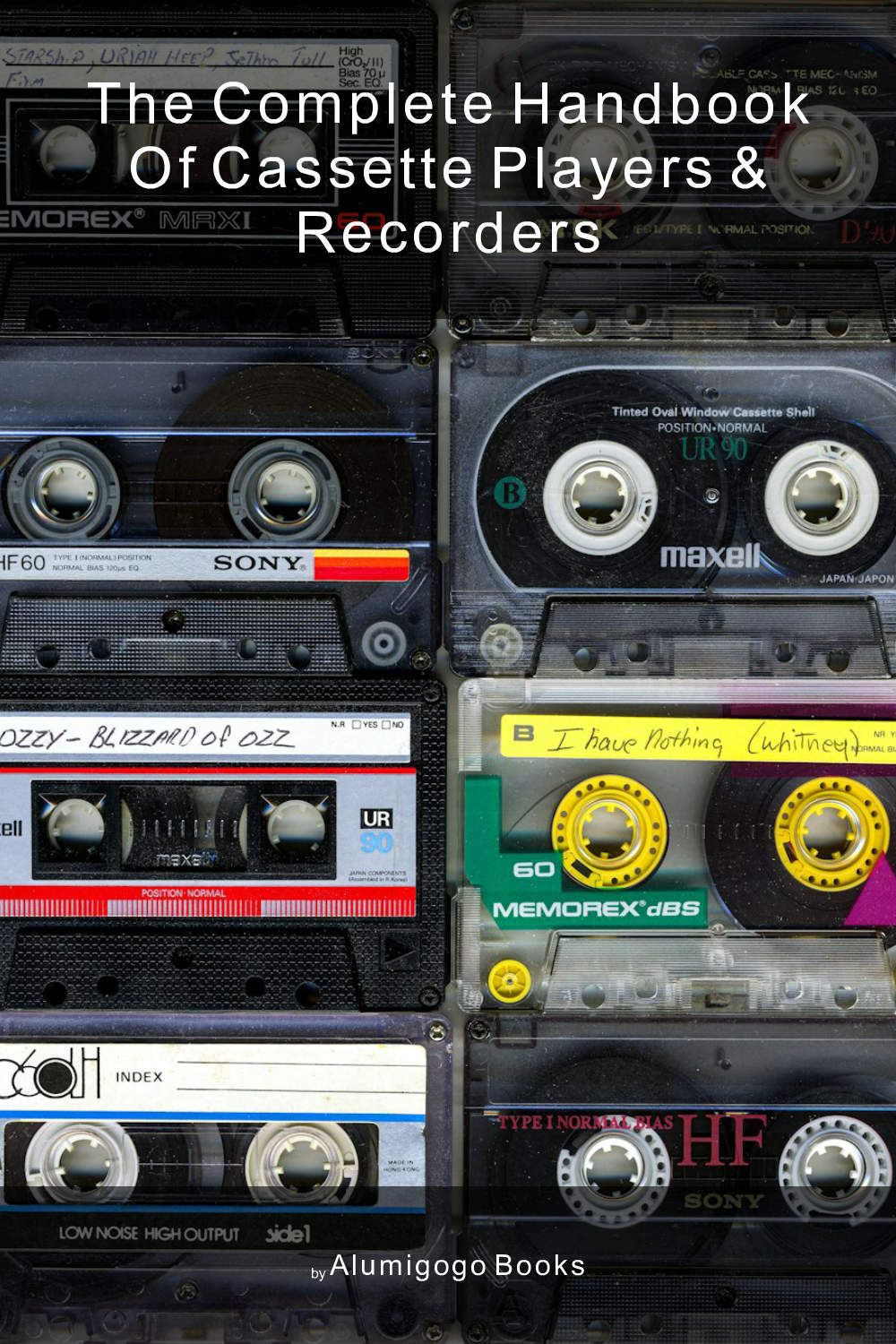
The Complete Handbook of Cassette Players & Recorders
For Professionals, Businesses, and Serious Hobbyists Who Need Practical Knowledge
★★★★★4.0 · 1 reviewby Alumigogo Books
non-fiction
Practical guide to cassette player and recorder selection, operation, maintenance, and business applications for professionals and serious hobbyists.
🔒Secure checkout via Stripe
Labor Day Sale
$9
About this book
Cassette players and recorders remain a genuine working category—used daily in education, broadcast, automotive, archival, and specialized audio applications. Yet practical knowledge about them is fragmented across outdated service manuals, scattered forums, and sales materials disguised as advice.
This handbook provides the knowledge professionals, businesses, and serious hobbyists actually need: how cassette equipment works at the mechanical and electrical level; which specifications genuinely matter for different use cases; how to select the right equipment for your situation; and how to install, operate, and maintain it with confidence. It also addresses the business side: how to evaluate brands and suppliers, and concrete pathways to revenue through equipment service, resale, rental, and consulting.
Written for practitioners who want to work with cassette equipment competently and make informed decisions about it—not for sentiment, but for results.
Reader Reviews
Nicholas Jackson
★★★★★I bought this expecting another nostalgia piece, but it's actually rigorous and useful. Chapter 1 alone—the explanation of how tape speed, bias, and equalization actually work together—clarified why some of my older machines sound different from newer ones. The practical stuff in Chapters 3 and 4 on selecting and setting up equipment is grounded in real scenarios, not abstract theory. My only minor criticism is that Chapter 6 on business opportunities felt a bit thin compared to the technical chapters, but for someone running a small repair service like I do, the framework is solid.