The Complete Handbook of Cake Pans & Molds
A Professional Guide to Selection, Use, and Maintenance for Bakers, Caterers, Food Service, and Serious Home Bakers
★★★★★4.3 · 6 reviewsby Alumigogo Books
non-fiction
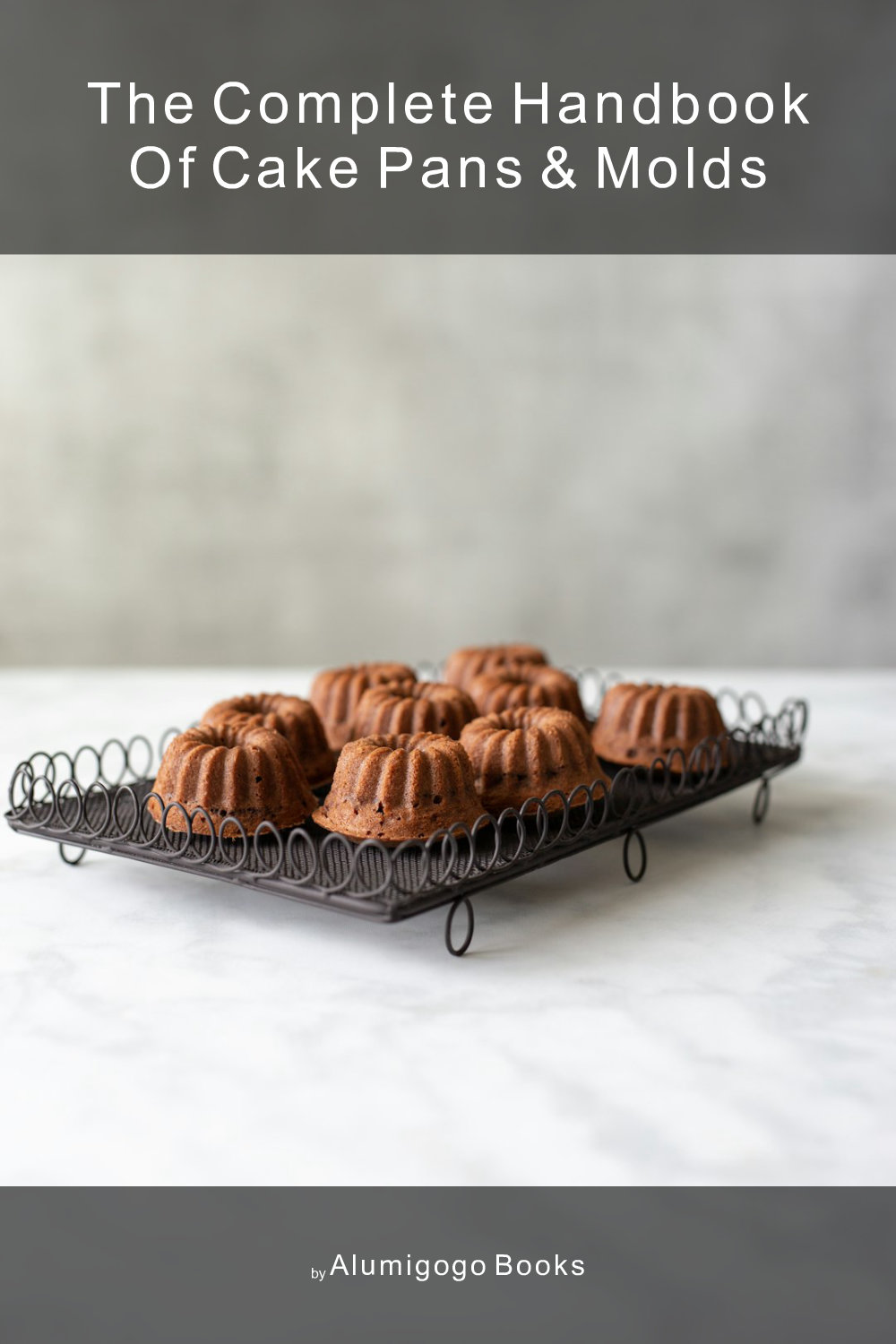
The Complete Handbook of Cake Pans & Molds
A Professional Guide to Selection, Use, and Maintenance for Bakers, Caterers, Food Service, and Serious Home Bakers
★★★★★4.3 · 6 reviewsby Alumigogo Books
non-fiction
The professional's guide to cake pan selection, performance, maintenance, and business strategy—everything you need to know that manufacturers won't tell you.
🔒Secure checkout via Stripe
Labor Day Sale
$9
About this book
Cake pans are not interchangeable commodities. The material, thickness, finish, and geometry of a pan directly affect heat distribution, baking time, release, durability, and your bottom line. Yet most bakers choose pans based on price or brand recognition, unaware of how these properties actually work or why they matter.
This handbook is written for professionals, businesses, and serious hobbyists who need concrete, usable knowledge: how to read and interpret pan specifications; how to evaluate heat conductivity and its effect on baking results; how to select the right pan for high-volume production versus specialty work; how to maintain pans to prevent warping, rust, and coating failure; how to diagnose and fix common problems; and how to identify real business opportunities in pan supply, rental, and consulting.
Drawing on material science, professional bakery practice, and industry standards, this book cuts through marketing claims and provides the technical foundation and practical wisdom that separates informed professionals from those making expensive mistakes.
Reader Reviews
Joshua Campbell
★★★★★Joshua Campbell: This is exactly the kind of reference I needed when I started running my catering operation. The explanation of how pan gauge and material thickness actually affect baking time saved me from buying a bulk order of cheap pans that would have warped within a year. My only complaint is that Chapter 6 could have included more specific supplier contacts, but I understand why the authors kept it broader—the landscape changes too fast. Solid, practical book.
Nicholas Miller
★★★★★Nicholas Miller: I appreciated the technical depth, especially Chapter 2 on thermal conductivity and how different aluminum thicknesses perform. The maintenance section is genuinely useful. That said, some of the business opportunity material in Chapter 6 felt a bit thin for what I was looking for—I wanted more detail on pan rental and leasing operations specifically. Still, if you're serious about baking professionally, this beats any online buying guide.
Barbara Anderson
★★★★★Barbara Anderson: Finally, a book that explains *why* some of my cake layers bake unevenly in certain pans. The Chapter 1 breakdown of how material composition and gauge directly affect heat distribution changed how I think about equipment investment. I've already recommended this to two other bakery owners, and I'm using it to audit our entire pan inventory. This is what professional knowledge actually looks like.
Jason Nelson
★★★★★Jason Nelson: I run a commercial bakery with three locations, and I bought this expecting a general overview. Instead, I got exactly the technical and operational framework I needed to standardize our equipment across sites and train new staff on why we use specific pans for specific products. The troubleshooting chapter alone has already paid for itself by helping me diagnose why one of our older pans was causing batch failures. Highly recommended for anyone at this scale.
Mary Walker
★★★★★Mary Walker: The material science foundation in the first chapter is excellent and sets up the rest of the book well. My only frustration is that some of the international suppliers mentioned are hard to verify or have changed since publication—a web resource or regular updates would help. That caveat aside, this is the most useful bakeware reference I own, and I've already used it to make better purchasing decisions for my teaching kitchen.
George Jones
★★★★★George Jones: This book does what it promises: it gives you the knowledge professionals actually need instead of marketing nonsense. I've been baking for 20 years and thought I knew pans inside and out, but the explanation of how anodization prevents sticking and extends lifespan, and why non-stick coating failure happens predictably, changed my approach to maintenance and replacement planning. Every serious baker should read this.