The Complete Handbook of Book Covers
A practical reference for librarians, booksellers, collectors, and bindery professionals on selecting, fitting, maintaining, and sourcing protective covers for books of every size and condition.
★★★★★3.9 · 7 reviewsby Alumigogo Books
non-fiction
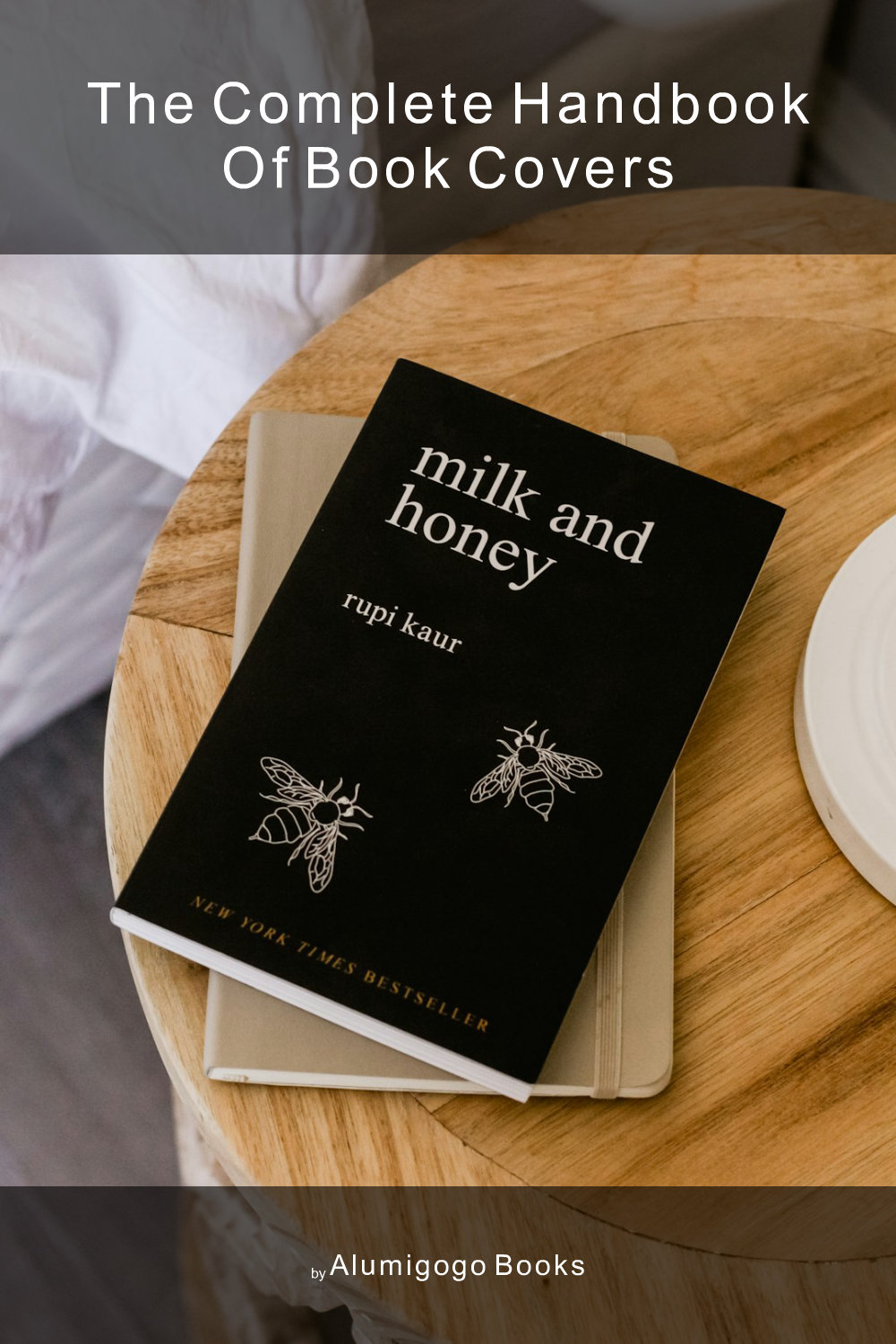
The Complete Handbook of Book Covers
A practical reference for librarians, booksellers, collectors, and bindery professionals on selecting, fitting, maintaining, and sourcing protective covers for books of every size and condition.
★★★★★3.9 · 7 reviewsby Alumigogo Books
non-fiction
From archival polyester to self-adhesive laminate: the complete technical guide to selecting, fitting, and sourcing protective covers for books.
🔒Secure checkout via Stripe
Labor Day Sale
$9
About this book
Whether you are a librarian aiming to extend the life of high-circulation titles, a rare book dealer preparing stock for shipment, or a collector intent on maintaining pristine conditions, the fate of your books often rests on a few millimeters of plastic or paper. The Complete Handbook of Book Covers removes the guesswork from this critical choice, offering a deep dive into the materials, dimensions, and applications of protective coverings.
This is not a glossy catalog or a superficial buyer's guide. It is a working reference manual that begins with a fundamental understanding of what a cover does—how it manages abrasion, UV light, and moisture—and progresses to detailed specifications for the most common cover types, including archival Mylar, VCI paper, and self-adhesive film. You will learn how to calculate precise dimensions for odd-sized volumes, understand the differences between the ten-thousandths-of-an-inch tolerances that determine a snug fit, and troubleshoot common issues like creasing, bubbling, and adhesive failure.
The final sections translate this technical knowledge into commercial advantage. A dedicated chapter explores sourcing strategies, from wholesale distribution to direct manufacturing, and outlines viable business opportunities from a cover-fitting service for private collectors to a specialty retail position. With its clear jargon-free prose, comparative tables, and a comprehensive glossary, this handbook is designed to be a permanent fixture on the workbench of any professional or serious enthusiast.
Reader Reviews
Nicholas Green
★★★★★As a library aide, I thought I knew the basics of covering books, but this book showed me how much I was missing. The section on why the thickness of Mylar matters in a high-hold circulation area has already changed how I order our supplies. It's a bit dense in places, but it's exactly the kind of reference I was looking for. I just wish it had a few more photos, but the data tables are fantastic.
Carol Hernandez
★★★★★I got this to help with preserving my Dad's old detective novel collection, which has some pretty fragile 1940s editions. The chapter on 'Types and Specifications' was a life-saver, helping me realize I needed to use archival polyester with a low UV rating rather than the cheap vinyl wraps I was considering. The instructions were clear enough to follow without ever feeling dumbed down. A tiny bit dry, but for what it is, it's practically perfect.
Cynthia Johnson
★★★★★The step-by-step guide in Chapter 4 for applying self-adhesive covers is worth the price of admission alone. I used to get bubbles and creases every time, but now my re-covered novels look sharp on the shelf. I appreciate that it’s written like a textbook, not a blog post. The only minor gripe I have is that the cover of the book itself feels a bit flimsy, which is an ironic contrast to the excellent content inside about durability.
Angela Wright
★★★★★Finally, a book that treats the book cover as the essential piece of equipment it is. For my online bookselling business, getting the cheapest 'standard' cover was costing me in returns due to fit issues on thicker trade paperbacks. The chapter on 'Choosing the Right Book Covers' gave me a detailed system for assessing the weight of the book block against the cover type, which has basically eliminated my losses. This is the definitive manual, absolutely no fluff, just pure, useful technical information. I’ve already ordered a copy for my colleague.
Rebecca Clark
★★★★★This has a lot of solid information, and I appreciate that it doesn't talk down to you. However, I found the section on 'Business Opportunities' a little too generic and the market research was more about ideas (like 'renting') that seem impractical rather than a deep dive into the glue supply chain or actual distributor costs. The technical chapters were great, but for someone looking to monetize their skills, I needed more hard numbers. It's a great manual, just not a business plan.
Lisa Moore
★★★★★I was hoping for a bit more information on custom-made book covers for collectors, but the tome leans heavily toward the consumer-grade plastic jacket and library binder materials. What is there is excellent and I did learn the difference between a 'jacket' and a 'laminate', but the book felt a little lopsided in its coverage. Still, the troubleshooting section helped me solve a nasty adhesive residue issue on a hardcover with a matte finish. A solid, if slightly narrowly-focused, handbook.
James Lewis
★★★★★It’s incredibly thorough and well organized. I run a small binding atelier, and this has become my go-to reference for quoting materials costs to clients because of the detailed membrane specs and tolerances listed in the early chapters. It’s a reliable, non-promotional guide that should be on any conservator’s shelf. I gave it four stars; I'd have given five if the glossary included a few more terms about adhesives (like 'activation temperature').