The Complete Handbook of Binder Rings
A Practical Reference for Professionals, Businesses, and Serious Hobbyists
★★★★★3.5 · 6 reviewsby Alumigogo Books
non-fiction
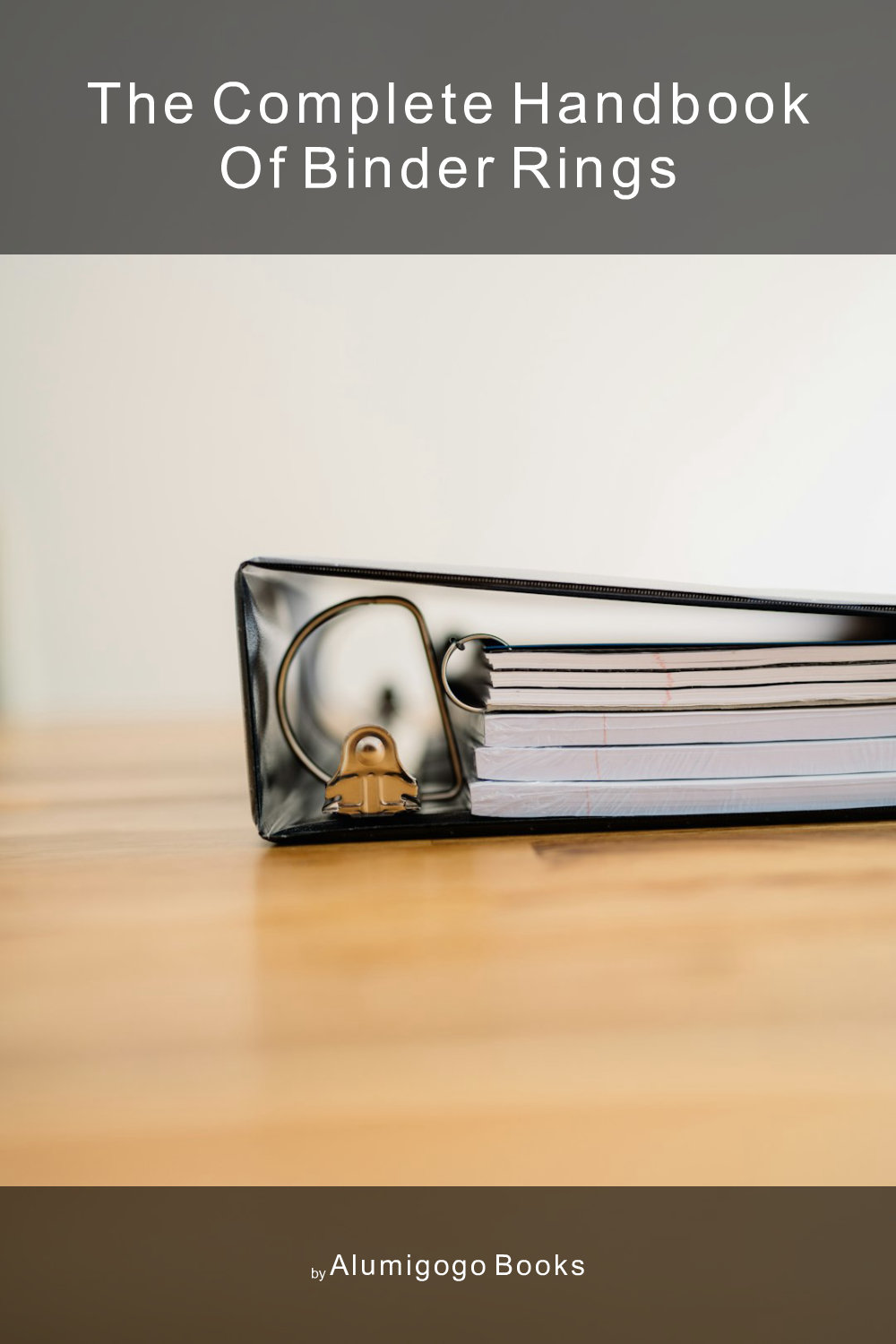
The Complete Handbook of Binder Rings
A Practical Reference for Professionals, Businesses, and Serious Hobbyists
★★★★★3.5 · 6 reviewsby Alumigogo Books
non-fiction
The complete practical reference on binder rings: types, specs, selection, installation, maintenance, and market opportunities—no fluff, just working knowledge.
🔒Secure checkout via Stripe
Labor Day Sale
$9
About this book
Binder rings look like the simplest part of any filing system, and that is exactly why they fail so often. They are a mechanical hinge combined with a tension spring and a latching mechanism, and their performance depends on material gauge, steel alloy, plating, and the exact geometry of the cam that holds the ring shut. Most office-supply catalogs reduce all of that to a single phrase—"1-inch binder rings"—and that is where the trouble starts.
This handbook is a field manual for anyone who buys, installs, or maintains binder rings in any quantity. It walks you through the actual anatomy of the ring, explains the specifications that matter (steel thickness, tensile strength, plating corrosion resistance, gap tolerance, and more), and gives you a methodical process for choosing the right ring for a specific job—from a heavy-duty 3-inch ring holding archival documents to a compact 1/2-inch ring in a product prototype. It also covers installation techniques that prevent premature failure, a troubleshooting section for the most common failure modes, and a commercial chapter for readers who want to turn this knowledge into a business.
The final chapters look at where the category is heading—including non-metal materials, tamper-resistant designs, and sustainability pressures—and provide an honest map of the standards bodies and expert resources that can keep you current. If you buy, use, or sell binder rings, the difference between a ring that fails in six months and one that lasts twenty years is a set of specific facts. Those facts are in this book.
Reader Reviews
Melissa Davis
★★★★★I got this for our office because we order binder rings in bulk and I'm frankly tired of guessing which ones won't crack after a month. The first chapter genuinely helped me understand the mechanism — the bit about the cam angle and how it relates to holding power was new to me. That said, I wish there had been more brand-name comparisons. It's a great reference, but it feels like it holds back maybe 20% of the practical shopping intel I was hoping for.
Donna Flores
★★★★★The specs chapter saved me. I'm a bookbinder and I've been using the same ring size and gauge for years without ever stopping to think about the steel hardness rating. Now I know why my thicker paper stacks keep sagging on one side. Good solid info, clearly written. My only real complaint is the glossary is a little thin for something calling itself 'complete' — I had to look up two terms elsewhere that I think should have been in there.
Thomas Thompson
★★★★★For anyone who buys binder rings in large quantities, the section on capacity ratings vs actual weight tolerance is worth the price alone. I'm an office manager and I've definitely caused failures by overloading rings that looked fine on the shelf. I'd have given it five stars if the maintenance chapter had gone deeper on cleaning specific plating finishes — it stays a bit generic. Otherwise, it's the only reference on this topic I've found that doesn't read like a supplier's brochure.
Mary Nelson
★★★★★I do archival work and I bought this hoping for precise guidance on acid-free or non-reactive rings. The first chapter on materials and finishes was good — good enough that I felt confident emailing my supplier with specific questions. But the book doesn't actually list many specific archival-safe products or test data. It gives you the framework, not the factsheet. I liked it, but I was expecting a more definitive field guide.
Emily Moore
★★★★★Finally — a handbook that treats binder rings as a serious mechanical component and not a commodity. I design printed packaging prototypes and I've burned months learning by trial and error what Chapter 1 teaches in twenty pages. The installation section on seating rings into multiple layers of board saved me from a recurring spring failure I was ready to blame on the factory. For anyone productizing something with a ring, this is the reference. I've already bought two copies for our junior staff.
Timothy Rodriguez
★★★★★Useful and very well organized, but I came away wanting more concrete data. I was hoping for a more detailed capacity chart — e.g., ring gauge vs pounds held per inch — but it gives you ranges rather than raw numbers, which makes sense given how much variation exists in manufacturing. Still, the troubleshooting chapter was practical. My repairable ring mystery is solved. Good book, but I'd hope a second edition pushes harder on numeric data.