The Complete Handbook of Bicycle Computers
A professional guide to selection, setup, maintenance, and business opportunity
★★★★★4.3 · 4 reviewsby Alumigogo Books
non-fiction
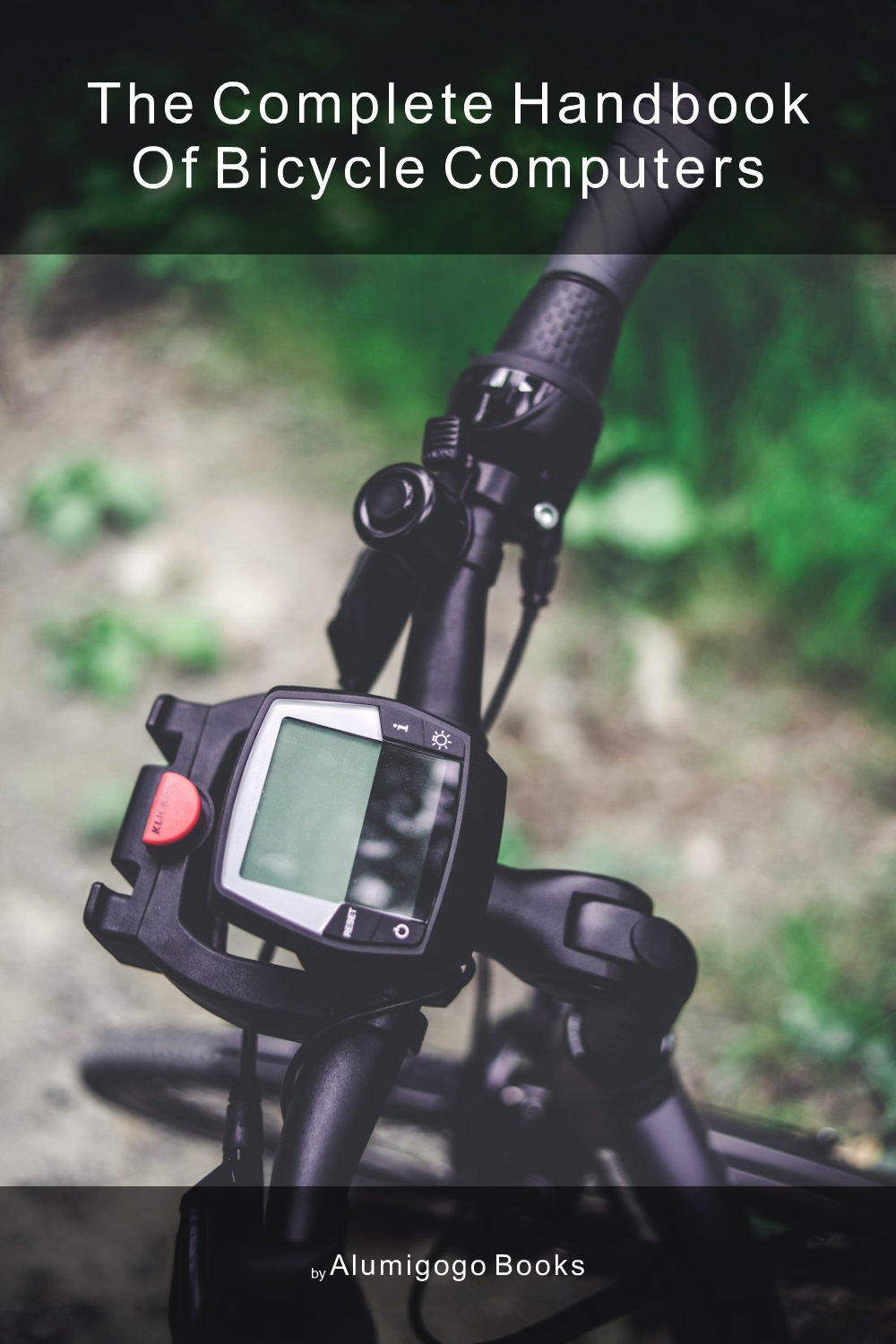
The Complete Handbook of Bicycle Computers
A professional guide to selection, setup, maintenance, and business opportunity
★★★★★4.3 · 4 reviewsby Alumigogo Books
non-fiction
The practical reference for buying, installing, maintaining, and profiting from bicycle computers. Real specifications, real troubleshooting, real business models.
🔒Secure checkout via Stripe
Labor Day Sale
$9
About this book
Bicycle computers measure speed, distance, cadence, power, elevation, and location—but most cyclists and even some bike mechanics don't understand how they actually work, when they fail, or which features are worth paying for.
This handbook is written for professionals, businesses, and serious hobbyists who need to make informed decisions about bicycle computers: bike shop owners who service and sell them; cycling coaches who recommend them to clients; fleet operators deploying them at scale; and entrepreneurs looking to build a service or resale business around them.
You'll learn how sensors and receivers work, which specifications matter and which don't, how to choose the right computer for speed work versus endurance training versus power-based coaching, how to install and maintain them correctly, how to troubleshoot common failures, and how to identify genuine business opportunities—from repair and setup services to fleet management contracts to private-label resale.
Reader Reviews
Jason Mitchell
★★★★★Finally, a book that treats bicycle computers as actual instruments instead of consumer gadgets. Chapter 1 alone is worth the price—it explains why my wireless computer kept dropping signal in group rides, and I found the exact troubleshooting section that identified my sensor placement problem. The business chapter has already paid for itself; I'm now offering setup and diagnostics services at my shop based on the protocols in here. Highly recommend to anyone serious about cycling technology.
Charles Scott
★★★★★I was skeptical about a whole handbook on bicycle computers, but this is exactly what I needed as a cycling coach. The chapter on choosing the right computer for different training objectives is concise and practical—no fluff, just real decision-making based on what my athletes actually need to measure. The specifications chapter finally clarified why one computer costs three times more than another, and it's not marketing. This is reference material I'll use constantly.
Mark Harris
★★★★★Solid reference book with genuinely useful installation and troubleshooting sections. The Chapter 1 explanation of how sensors measure speed and distance is clearer than anything I found online. My only minor gripe is that the business models chapter could use a few more detailed case studies or pricing examples, but the framework is solid. Worth having on the shelf if you work with bikes at any professional level.
Edward Hernandez
★★★★★This handbook is more technical and detailed than I expected, which is good and bad. The specifications chapter is comprehensive and I learned things I didn't know, but it feels a bit dense if you're just trying to buy a computer for recreational riding. The book is definitely aimed at professionals and serious hobbyists, not casual cyclists, so adjust your expectations accordingly. That said, the troubleshooting section and brand overview are genuinely valuable, and the writing is clear.