The Complete Handbook of Alphabet Toys
Practical knowledge for professionals, resellers, childcare providers, and educators selecting, using, and profiting from early literacy learning tools
★★★★★3.8 · 4 reviewsby Alumigogo Books
non-fiction
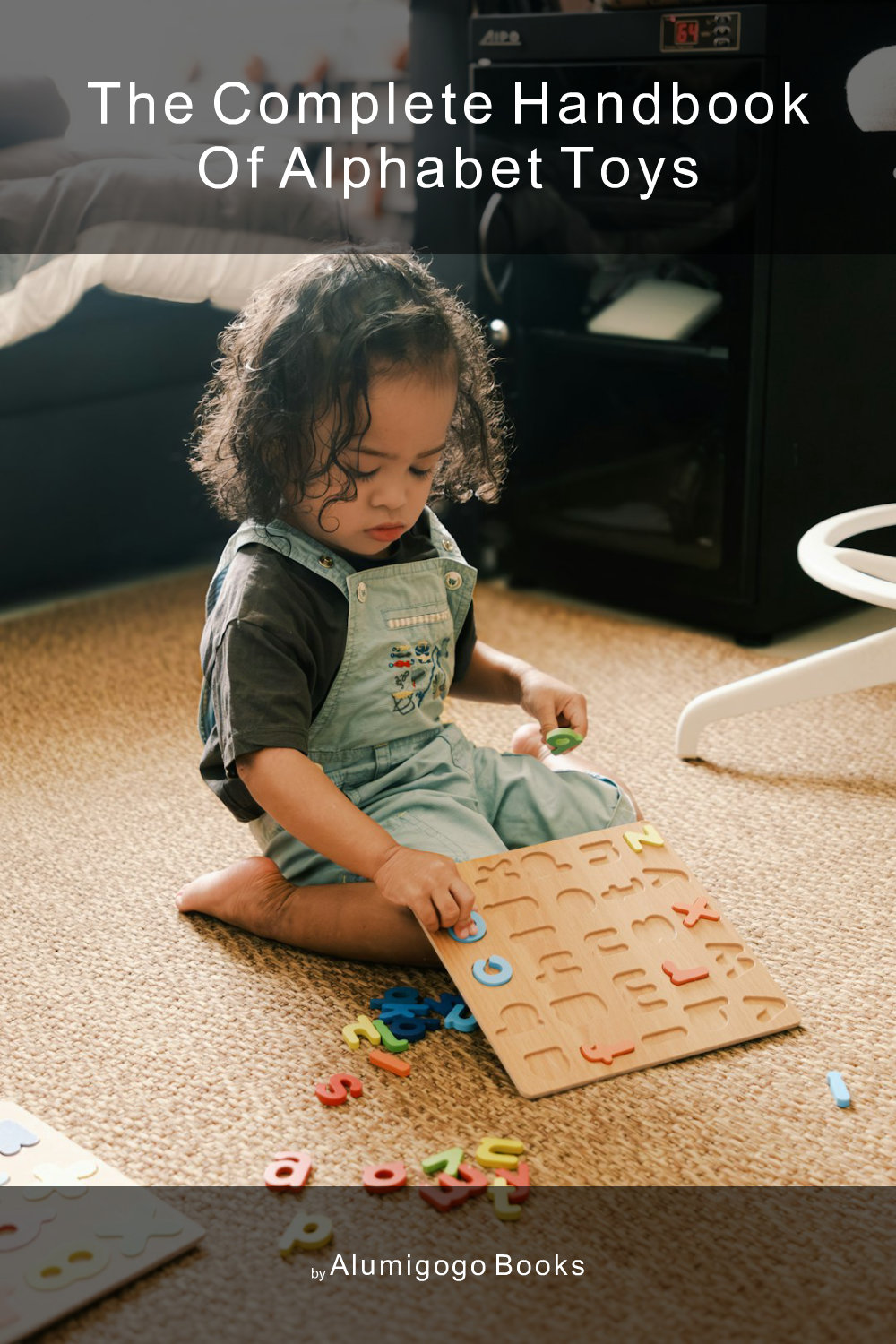
The Complete Handbook of Alphabet Toys
Practical knowledge for professionals, resellers, childcare providers, and educators selecting, using, and profiting from early literacy learning tools
★★★★★3.8 · 4 reviewsby Alumigogo Books
non-fiction
The practical reference guide for professionals buying, selling, managing, or advising on alphabet toys. No marketing—just concrete knowledge.
🔒Secure checkout via Stripe
Labor Day Sale
$9
About this book
Alphabet toys are ubiquitous in early childhood settings, but professionals who buy, sell, maintain, or recommend them often lack reliable, neutral information. Manufacturers publish specs; parenting blogs offer opinions; but no single source explains what alphabet toys actually accomplish, which physical specifications genuinely matter, how to troubleshoot when letters fall off or puzzles jam, or how to build a sustainable business around them.
This handbook fills that gap. Written for childcare directors, toy retailers, early childhood educators, developmental consultants, and entrepreneurs, it treats alphabet toys as the serious product category they are. You'll find evaluation frameworks that go beyond marketing claims, concrete maintenance and troubleshooting procedures based on real-world use, accurate brand positioning across price tiers, and proven business models—from reselling and private-labeling to rental programs and educational consulting.
Whether you're choosing between 50 alphabet puzzles for a classroom, evaluating suppliers for a retail operation, or building a toy rental or education consulting business, this handbook provides the practical knowledge professionals need to make informed decisions and solve real problems.
Reader Reviews
Amanda Thompson
★★★★★As a daycare director buying supplies for three classrooms, I found this genuinely useful. Chapter 2 helped me understand why some wooden puzzles cost three times as much as others (wood type, joinery, paint durability), and Chapter 5's maintenance section saved me money—I was replacing puzzles that just needed cleaning and piece replacement. The selection framework in Chapter 3 was practical without being overwhelming. My only minor complaint is I wish there were more specific examples of which brands actually fail and how, but overall this is exactly what I needed instead of piecing together information from five different sources.
Kevin Green
★★★★★I picked this up hoping to start a toy rental business and found Chapters 6 and 3 valuable for understanding the market and product categories. However, the book doesn't dive deep enough into the actual business models—I wanted more detail on pricing strategies, lease terms, and customer acquisition for a rental operation. The maintenance and troubleshooting sections were thorough and practical, but the business chapter felt more like an introduction than a real roadmap. Still, it's better than nothing and gave me a solid foundation to research further.
Matthew Mitchell
★★★★★This is exactly what I've been looking for. I'm a special education consultant recommending tools for different age groups and learning profiles, and Chapter 1 alone clarified the developmental purposes of different alphabet toy types in a way I can actually use with parents and teachers. The specification details in Chapter 2 and the decision framework in Chapter 3 let me match tools to actual needs instead of generic 'best for toddlers' marketing. The troubleshooting chapter is practical and shows the author understands real classroom wear-and-tear. Highly recommend if you're a professional who actually uses alphabet toys rather than just a casual buyer.
Daniel Smith
★★★★★I'm a toy store owner and found the brand positioning and business models chapters helpful for understanding my suppliers better, but I already have this knowledge from years in retail. The book is solid and well-written, but it feels aimed more at educators and childcare centers than people running a toy business. That said, the maintenance and troubleshooting sections have good detail that would help a retail employee or someone starting out, and the glossary is clearer than industry jargon. Worth reading if you're new to the space, but experienced retailers may find it covers ground they already know.