The Complete Handbook of Acupuncture
A Practical Reference for Practitioners, Clinics, and Serious Students
★★★★★4.0 · 6 reviewsby Alumigogo Books
non-fiction
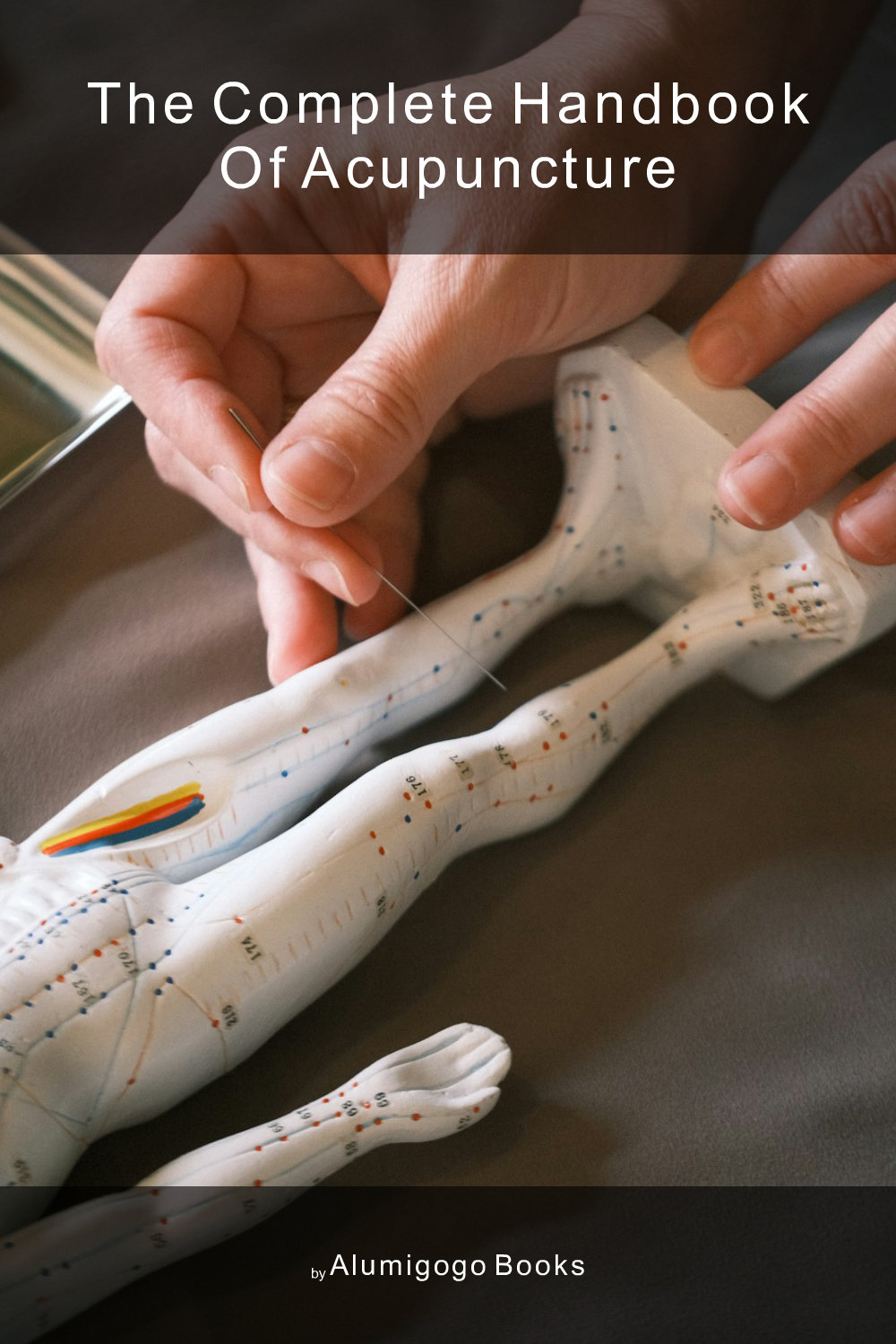
The Complete Handbook of Acupuncture
A Practical Reference for Practitioners, Clinics, and Serious Students
★★★★★4.0 · 6 reviewsby Alumigogo Books
non-fiction
From needle selection to clinic maintenance and business models – a practical, detailed reference for acupuncture professionals.
🔒Secure checkout via Stripe
Labor Day Sale
$9
About this book
Acupuncture is a precise clinical skill, and its practice demands more than just memorizing points. This handbook is a comprehensive, practical reference built for the working professional, the forward-thinking clinic owner, and the serious student who wants to understand the equipment and the industry as deeply as they understand the medicine. It systematically covers the critical details that are often left out of clinical training: the physical specifications of filiform needles, how to select the right gauge and length for different patient populations and treatment depths, and how to properly integrate other tools like electroacupuncture devices and cupping sets. It gets into the operational reality of running a practice, including routine maintenance, troubleshooting damaged equipment, and the pros and cons of different needle brands and suppliers.
The second half of the book is dedicated to the business and future of acupuncture. For those looking to expand beyond clinical practice, it provides a realistic assessment of business opportunities, from reselling supplies to servicing electroacupuncture devices. It also prepares the reader for upcoming trends in materials, regulations, and technology. With a comprehensive FAQ and a practical glossary, this handbook is designed for quick reference in a busy clinic. It is an evergreen resource intended to be consulted, annotated, and valued for years, not a marketing pamphlet. If you use acupuncture in your work, this is the manual you've been missing.
Reader Reviews
Ryan Williams
★★★★★I've been practicing for over a decade and I still learned a lot from this. The chapter on needle specifications is something they never fully taught in school – I always just ordered the same one my preceptor used. The breakdown of which gauge to use for different tissue depths and patient anxiety levels is going to change how I stock my clinic. Finally, a reference book that feels like it was written by practitioners for practitioners, not a textbook trying to be a page-turner. It's a permanent fixture on my desk now.
Michael Hall
★★★★★The business side is what sold me. I was thinking about starting a small side business reselling supplies to local massage therapists who do dry needling, and the chapter on suppliers and business models saved me from some naive assumptions. It gave me a realistic look at profit margins and what to look for in a distributor. The maintenance chapter is also spot-on; I followed the troubleshooting guide to fix an electroacupuncture unit I was about to throw away. This book is worth its weight in gold for anyone serious about the field.
Jason Scott
★★★★★It's a decent reference, but I felt the first chapter was a little too long getting into the theory. I just wanted to know which needles to buy, and it felt like I had to wade through a lot of tissue mechanics to get there. That said, once you get past the first chapter, the information is genuinely useful and very detailed for the practitioner who has been doing this for a while. It is a lot more depth than a beginner, I think. I'd say it's more for the business owner than a freshly minted student.
Andrew Davis
★★★★★Absolutely the book I wish I had five years ago when I started my practice. It answers all the practical questions that your training glosses over. What's the difference between a copper handle and a plastic one? Why do some needles insert with less friction? Which needles are best for patients who flinch at the sight of a needle? It's all here. The section on troubleshooting equipment is a lifesaver. My clinic runs smoother because of this book, and it has already paid for itself.
Jessica Wilson
★★★★★The book is comprehensive, maybe too comprehensive for my needs. I'm a serious hobbyist, not a licensed practitioner, and a lot of the talk about supplier negotiations felt irrelevant to me. The glossaries and specification charts are great for gaining a deep understanding, but the core chapters are dense. It reads like a textbook, and sometimes I wish it was more direct. Still, it does exactly what it promises: it's a complete handbook of the topic. I just wanted a more concise guide for a layperson.
Angela Williams
★★★★★I picked this up to help evaluate equipment for the new clinic I'm managing. The chapter on buying and the business opportunities is a goldmine, though I wasn't initially interested in that part. I found the comparison of different needle quality between brands to be an honest and critical look, not the marketing fluff you see on supplier websites. It gave me the confidence to negotiate with a supplier to upgrade our needle brand without raising costs. Great resource.