The Complete Guide to Calligraphy
The honest, no-nonsense beginner's handbook: what calligraphy really costs, the gear you actually need, and how to know if it's the hobby for you before you spend a dime.
★★★★★4.2 · 6 reviewsby Alumigogo Books
non-fiction
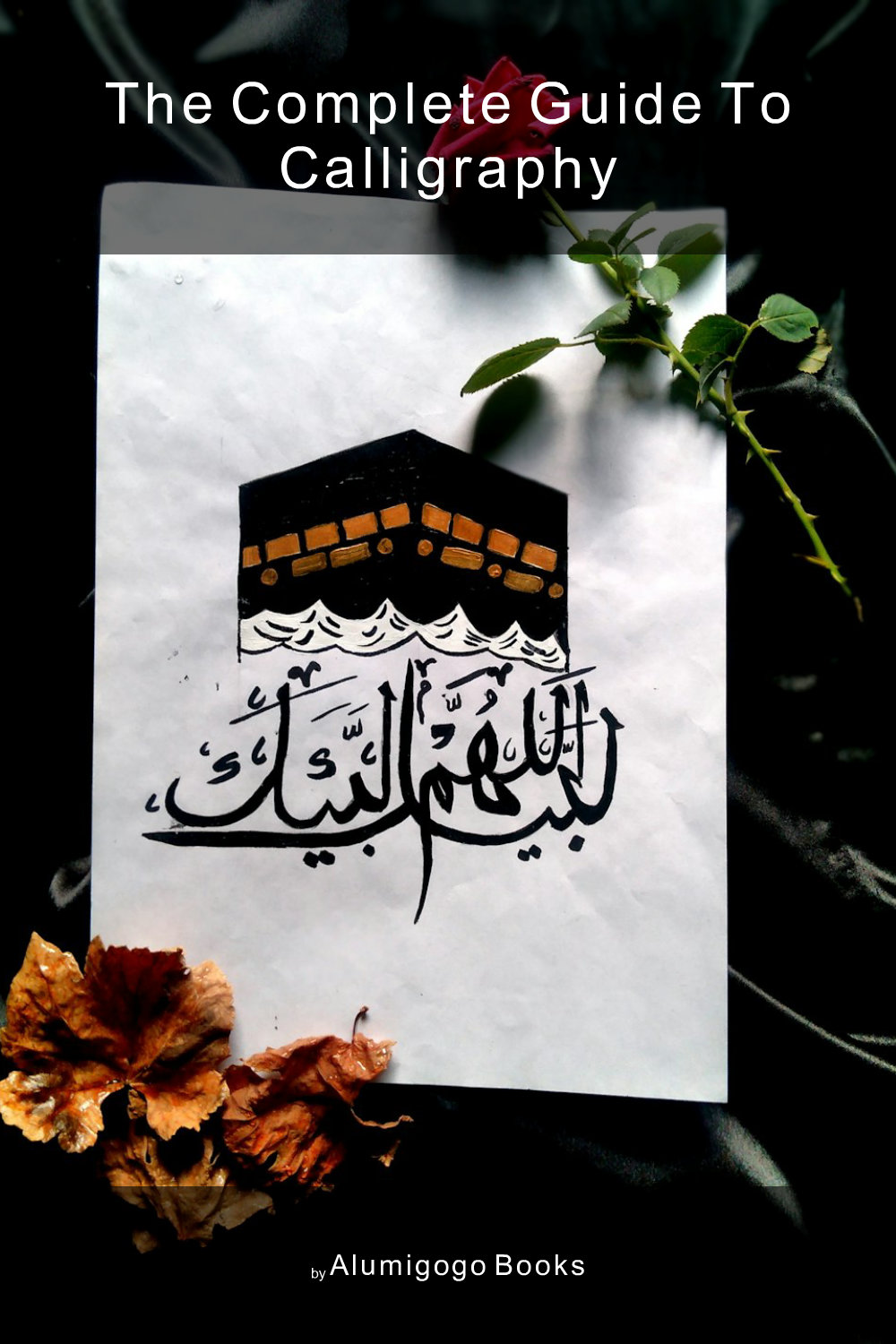
The Complete Guide to Calligraphy
The honest, no-nonsense beginner's handbook: what calligraphy really costs, the gear you actually need, and how to know if it's the hobby for you before you spend a dime.
★★★★★4.2 · 6 reviewsby Alumigogo Books
non-fiction
What does calligraphy really cost, feel like, and demand of you? This guide gives you the honest, beginner-friendly breakdown to decide if it's your next hobby.
🔒Secure checkout via Stripe
Labor Day Sale
$9
About this book
You've seen the videos. Smooth, graceful strokes flowing into elegant words on expensive-looking paper, all set to calming music. It looks meditative, beautiful, and maybe a little magical. But what's it actually like to sit down and do it? How much is that going to set you back, and how long before you can write something you're proud to show anyone? If you're a complete beginner, the world of calligraphy can feel like a secret club with its own confusing language of nibs, inks, and spacing guidelines.
This guide is your straightforward, friendly entry into that world. I'm not here to sell you a $300 starter kit or tell you that you'll be a master in a week. Instead, you'll get a realistic breakdown of the tools you actually need at a few budget tiers, a month-by-month expectation of how your skills will develop, and a brutally honest look at whether this hobby fits your personality, your schedule, and your budget. You'll learn about the physical demands (your hand will cramp), the frustrating parts (ink blobs are a rite of passage), and the genuinely satisfying payoff of pulling a clean, beautiful stroke.
The book is structured so you can read it front-to-back or jump straight to the parts that worry you most. It includes a self-assessment checklist to help you decide if you're a good fit, a detailed guide to your first few practice sessions, and practical advice on finding your community if you want to go deeper. By the end, you won't just have a romantic idea of calligraphy; you'll have the knowledge to make a smart decision and a clear path forward if you choose to pick up the pen.
Reader Reviews
Patricia Davis
★★★★★Finally, a guide that doesn't treat me like I'm either an idiot or a future professional. The chapter on real costs was a lifesaver — I was about to drop $150 on a kit I didn't need, and this book helped me piece together a solid setup for a fraction of that. The first-chapter description of the feel of the pen on paper is spot-on; it's what got me to commit to buying my first nib. Really feels like a knowledgeable friend walking you through it.
Stephanie Anderson
★★★★★This is a genuinely helpful, practical guide. I appreciated the honest talk about the physical demands — my hand did cramp that first week! The self-assessment checklist in Chapter 2 is smart and made me think twice before I bought anything. It loses a star only because I wish the list of learning resources in Chapter 4 had a few more local, US-based options, but as a starting point, it's far better than the vague fluff you find online. It helped me see that this hobby is more about patience than talent.
Donna Hill
★★★★★The book is fine, but it didn't fully connect with me. It has all the practical info — costs, gear, tips — which I found useful, but it got a bit bogged down in the day-to-day feel of 'a satisfying session.' I get it, it's lettering. I was hoping for a bit more inspiration along with the practicalities. If you're a very 'just give me the facts' person, the opening chapter is a bit long. It's well-written, just not my perfect cup of tea.
Anthony Flores
★★★★★As a guy who usually just builds things and has zero artistic background, I was a little nervous to try something creative. The breakdown of what actually happens in a practice session (Chapter 1) demystified the whole thing for me. I didn't realize how much of calligraphy is just methodical, almost mechanical, repetition of shapes. The section on choosing your first pen was worth the price of the book alone. I went from 'maybe I'll look into it' to actually having my tools on the way. Super practical and no-nonsense.
Richard Torres
★★★★★The most honest hobby book I've read. It doesn't try to convince you to do it; it just tells you what it is. The 'First Weeks' checklist in Chapter 5 was invaluable — I'm pretty sure it saved me from shoving the nib through the paper out of frustration. I love that it gave me a 'minimum viable' project to attempt right away. It convinced me that this is a relaxing hobby I can actually stick with. A fantastic starting point that respects your intelligence.
George Anderson
★★★★★It was okay. I liked that it clearly laid out the different ways to learn, because I was overwhelmed by the choices on YouTube. However, I felt some of the descriptions of the materials and supplies got a little too granular for an absolute beginner like me. I found myself skimming the sections about specific nib types. It all seems sensible, but it wasn't a particularly gripping read. It did its job though — I'm fairly certain this hobby isn't the right one for me, so I suppose that's money saved.