The Complete Guide to Becoming An Industrial Production Manager
The real pay, real days, and real path into industrial production management - with the numbers you need to decide if this career is worth it
★★★★★3.0 · 1 reviewby Alumigogo Books
non-fiction
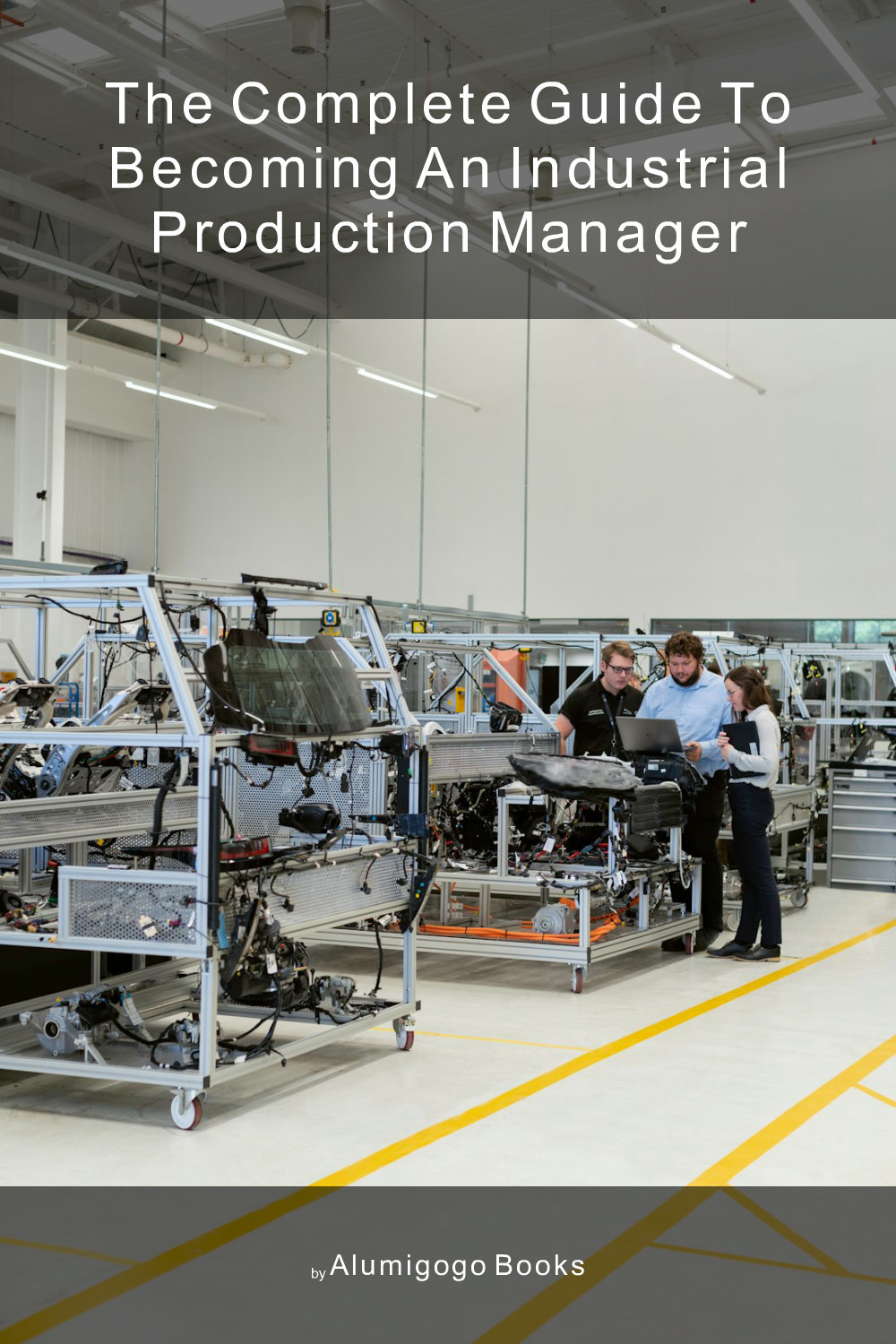
The Complete Guide to Becoming An Industrial Production Manager
The real pay, real days, and real path into industrial production management - with the numbers you need to decide if this career is worth it
★★★★★3.0 · 1 reviewby Alumigogo Books
non-fiction
What does an industrial production manager actually do all day? What do they really earn? This guide tells you - with numbers, examples, and a no-sugar-coating look at the hard parts.
🔒Secure checkout via Stripe
Labor Day Sale
$9
About this book
You're thinking about becoming an industrial production manager. Maybe you've seen job postings starting at $70,000 and wondered if that's real. Maybe you love the idea of running a factory floor but have no idea what that means in practice. This guide is for you.
Based on conversations with people who've actually run production lines, managed shift teams, and dealt with the 2 AM equipment failures that nobody warns you about, this book gives you the unvarnished truth. You'll see a full day in the life - the meetings, the spreadsheets, the moments where you're solving a problem with a maintenance tech while the line is down and the customer is calling. You'll learn the three distinct paths into the role, with timelines ranging from 2 to 8 years and costs from zero to $150,000. You'll get honest salary data by experience level, so you know what to expect in year one versus year ten.
The guide also includes a self-assessment checklist to help you decide if you have the temperament for this job - because it requires tolerating chaos, interacting with people constantly, and making decisions with incomplete information. If you're weighing majors or considering a career change, this is the book to read before you commit. It won't tell you to follow your passion; it'll tell you what the job actually pays, what it demands, and whether you're likely to last.
Reader Reviews
John Allen
★★★★★Decent starting point if you're totally new to this career idea. Chapter 1 gave me a much clearer picture of what the job actually involves - I had no idea about the production planning software stuff. But the salary ranges in Chapter 4 felt a bit generic even though they had numbers. The author clearly knows the field, just wished they went deeper on the day-to-day frustrations. Still useful for making my decision.