The Complete Guide to Becoming A Radiologic Technologist and Technician
The real job, the real pay, the real path — and how to know if it's right for you before you spend a dime on tuition.
★★★★★3.7 · 6 reviewsby Alumigogo Books
non-fiction
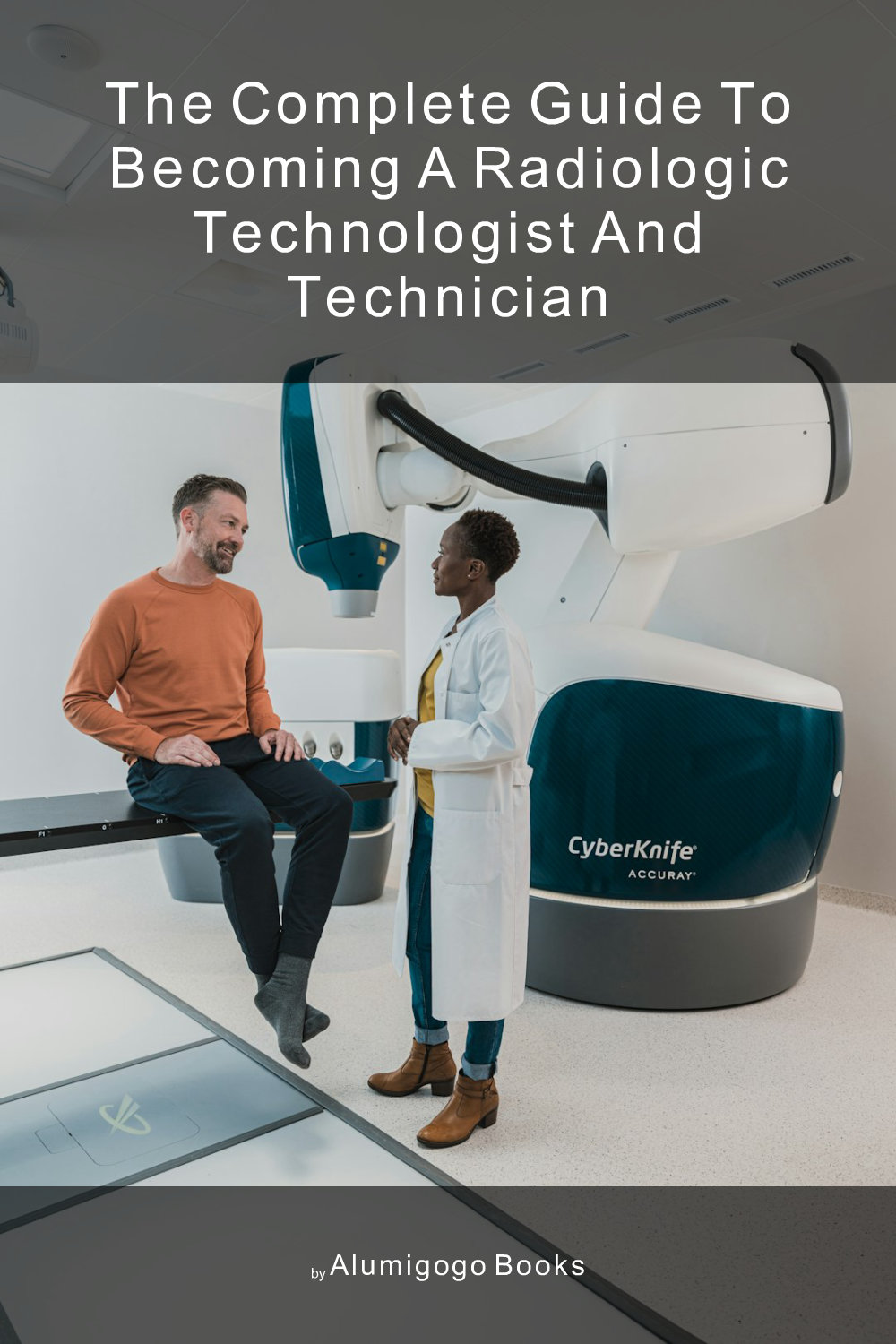
The Complete Guide to Becoming A Radiologic Technologist and Technician
The real job, the real pay, the real path — and how to know if it's right for you before you spend a dime on tuition.
★★★★★3.7 · 6 reviewsby Alumigogo Books
non-fiction
The honest guide to becoming a radiologic technologist — daily work, real pay, real costs, and how to know if it's the right fit.
🔒Secure checkout via Stripe
Labor Day Sale
$9
About this book
You're thinking about becoming a radiologic technologist and technician. Maybe you saw a job posting with a decent salary. Maybe a family member works in healthcare. Maybe you just want a stable career that doesn't require four more years of school. But before you fill out a single application, you need to know what this job actually is — not what a recruiter's flyer says it is.
This guide takes you inside the day-to-day reality of the role: the patients, the machinery, the 12-hour shifts, the repetitive exams, and the moments that genuinely make a difference. You'll get real numbers on what training costs, what starting pay really looks like in different regions, and how far you can push your earning potential with the right specializations. You'll also get a straightforward self-assessment so you can decide — with your eyes open — whether the routine and physical demands of the job are worth the stability it offers.
Written like a conversation with a career counselor who has actually worked in radiology departments, not a textbook, this book gives you the concrete details to make a confident decision. If this career is right for you, you'll see the path clearly. If it's not, this guide will help you find out before you've spent your savings on a degree you don't want.
Reader Reviews
Michael Allen
★★★★★I was seriously considering a rad tech program but had no idea what the job was actually like. This book nailed it in the first chapter — the part about standing on your feet for 12 hours and constantly rescheduling your lunch because a trauma patient just came in? That's real. I work in a hospital already and that's exactly what the techs deal with. The salary tables in chapter 4 gave me a realistic budget too. I'm enrolling next semester.
Linda Torres
★★★★★The book is honest, which I appreciate, but the first chapter is a little dry in places. I wanted more stories and less process. That said, I found the self-assessment checklist in chapter 2 genuinely helpful — it made me realize I don't have the patience for the repetitive exams. Saved me a couple years of tuition, so I can't complain too much.
Richard White
★★★★★This isn't a fluff career guide. The chapter on what you actually do all day was worth the price alone — I had no idea how much of the job is patient communication and positioning, not just pushing buttons. The section on landing your first job had a tip about reaching out to clinical instructors that I wouldn't have thought of. Good, practical read.
Shirley Rivera
★★★★★A lot of solid information here, especially on the cost side of things. I appreciated that the book didn't try to convince me to do it — it just laid out the facts. I wish chapter 6 with the 'day in the life' had mentioned nights and weekends more, since that's a dealbreaker for my family situation. Still, it was a useful reality check for me.
Jason Green
★★★★★Decent book for what it is. I'm a career-changer and found the comparison table of educational paths in chapter 3 to be the most useful part — the cost breakdown between a community college AAS and a hospital certificate program helped me pick mine. The writing feels a bit like a long blog post, but the info is solid and up to date. Just wish it had more on the emotional toll of the job.
Betty Davis
★★★★★As someone currently doing clinical rotations, chapter 1 felt almost too accurate — the equipment walkthrough and the explanation of how a mobile unit works were spot on. I bought this for my little sister who's thinking about the career, and it gave her the real picture without scaring her off. The interview questions in chapter 5 are the same ones I got in my actual interview. Worth it.