The Complete Guide to Becoming A Physical Therapist Assistant
The honest, numbers-first guide to the pay, daily grind, and career path of a Physical Therapist Assistant — so you can decide if it's really for you.
★★★★★3.4 · 7 reviewsby Alumigogo Books
non-fiction
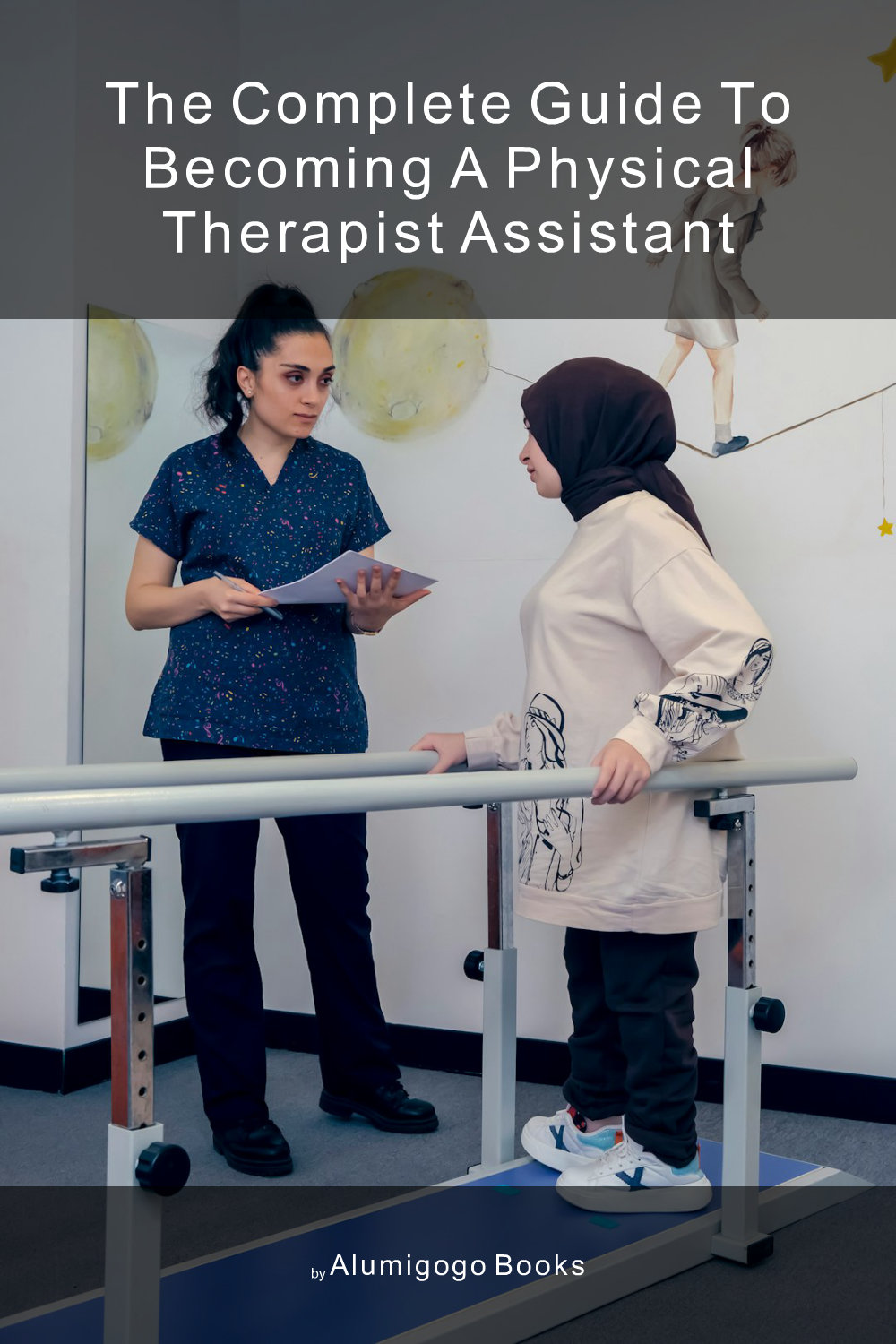
The Complete Guide to Becoming A Physical Therapist Assistant
The honest, numbers-first guide to the pay, daily grind, and career path of a Physical Therapist Assistant — so you can decide if it's really for you.
★★★★★3.4 · 7 reviewsby Alumigogo Books
non-fiction
Real pay, real hours, real path. Find out if being a Physical Therapist Assistant is the right career for you — before you spend a dollar on tuition.
🔒Secure checkout via Stripe
Labor Day Sale
$9
About this book
Are you considering becoming a Physical Therapist Assistant (PTA)? You've probably seen the job listings and the starting salary figures, but you're missing the full picture. What is the actual day-to-day work like? Is the pay enough to live on? How hard is the licensing exam, really? And what happens after ten years in the field?
This guide answers all of that with concrete numbers and honest, real-world detail. Written for people weighing this career — not for current practitioners — it walks you through exactly what a PTA does on a typical shift, the specific traits and aptitudes that predict success, and the frank signs that you should look elsewhere. You'll get a realistic look at salaries from entry-level to senior roles, a breakdown of the education and licensing paths with real timelines and costs, and a practical job-hunting strategy for landing your first position with zero experience.
You'll also read a full hour-by-hour narrative of a real workday, a clear overview of how this career can evolve over time, and a straight-talking FAQ covering everything from job security to alternatives. By the end, you won't just have an opinion about becoming a PTA — you'll have the information you need to make a confident, well-informed decision.
Reader Reviews
Nancy Hall
★★★★★I was on the fence about PTA school and this book gave me the push I needed to actually look at the numbers instead of just dreaming. The chapter on what you'll earn was eye-opening — I had no idea the gap between working in a hospital versus a home health agency was that big. It's not flashy, but it's honest, and that's what I needed.
Jason Roberts
★★★★★The day-in-the-life chapter was the most useful part for me. I appreciated the detail, like how much time you actually spend on your feet and dealing with patients who don't want to do their exercises. That said, I felt the book was a bit light on the emotional toll of the job — it mentioned burnout but didn't dig deep enough. Still, it's a solid starting point.
Barbara Carter
★★★★★The self-assessment checklist in chapter two was a good reality check. I realized I'm not as patient as I thought I was, which probably saved me from wasting two years in a program. The salary tables are helpful, but I wish there was more info on part-time work options. Overall, a decent guide for the price.
Brenda Nelson
★★★★★I'm a career-changer in my 30s, so I was worried about the time and cost of going back to school. The education chapter laid out the different paths clearly, with real timelines and costs, which was a relief. It's not going to make you love the career, but it will tell you exactly what you're getting into. The writing style is a bit dry, but the information is solid.
Edward Wilson
★★★★★This is the book I wish I had two years ago when I was picking a major. It's the only resource I found that doesn't sugar-coat the hard parts — like the fact that you'll be doing a lot of transfers and dealing with patients who are in pain and frustrated. But it also gives you the real payoff: the pay, the stability, and the genuine feeling that you helped someone get back on their feet. I've already recommended it to three friends.
Jonathan Young
★★★★★The breakdown of the different work settings was really valuable. I had only thought about hospitals, but the book explained home health, outpatient clinics, and skilled nursing facilities, with the pros and cons of each. It's a little repetitive in places, but for someone who has no experience in healthcare, this is a very useful overview.
Barbara Thompson
★★★★★I found the chapter on landing your first job to be the most practical. The interview questions were spot-on — I actually got asked the same thing about how I'd handle an unmotivated patient. My only complaint is that the book assumes you have a certain level of physical fitness, and I would have liked that addressed a bit more. Otherwise, it's a well-rounded guide.