The Complete Guide to Becoming A Magnetic Resonance Imaging Technologist
The truth about the pay, the path, and the day-to-day reality of working inside an MRI suite — so you can decide with your eyes open.
★★★★★3.7 · 7 reviewsby Alumigogo Books
non-fiction
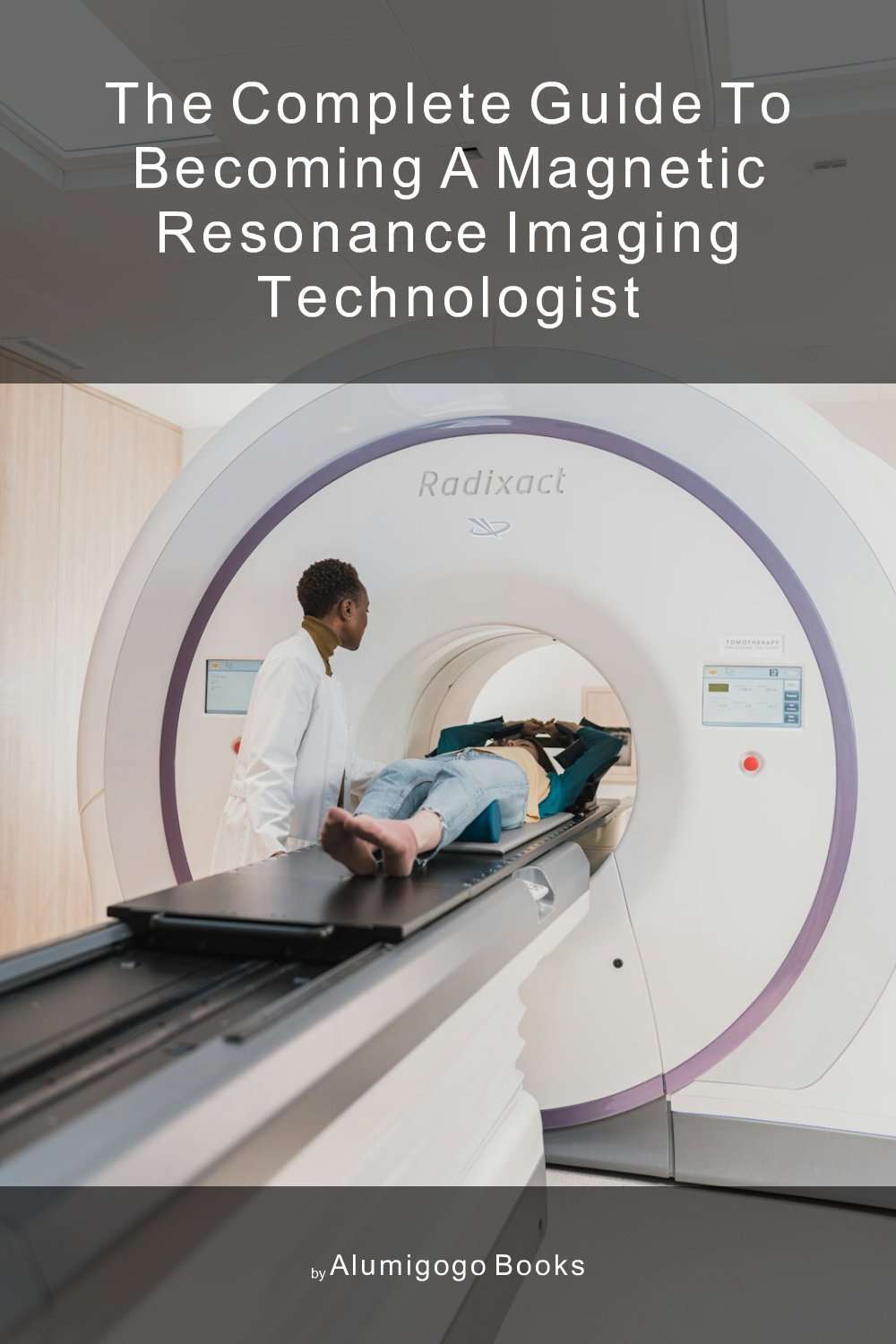
The Complete Guide to Becoming A Magnetic Resonance Imaging Technologist
The truth about the pay, the path, and the day-to-day reality of working inside an MRI suite — so you can decide with your eyes open.
★★★★★3.7 · 7 reviewsby Alumigogo Books
non-fiction
What's it really like to work inside an MRI suite? Pay, path, and daily reality — no sugar-coating.
🔒Secure checkout via Stripe
Labor Day Sale
$9
About this book
You've seen the job postings: 'MRI Technologist, $70k-$95k, benefits included.' But what does the actual workday look like? Is the money real? And can you survive the training without going bankrupt? This guide answers those questions with specifics — not generic career advice.
Written by someone who has worked alongside MRI techs in busy hospital systems and outpatient imaging centers, this book walks you through the scanner room, the patient encounters, the on-call shifts, and the equipment. It breaks down the three real training paths — the 2-year associate degree route, the 4-year bachelor's route, and the certificate pathway for already-credentialed radiologic technologists — with exact timelines and typical tuition costs.
You'll learn what to expect in your first job interview, how to negotiate when you have zero experience, and what the career ceiling actually looks like. No fluff. No 'follow your passion.' Just the grounded truth about whether this is the right path for you.
Reader Reviews
Kathleen Lopez
★★★★★I'm a 34-year-old retail manager looking to switch careers and this book was the first thing that actually told me the truth instead of just selling me a dream. The chapter on what the job actually involves — the contrast safety screening, the IVs, the dealing with claustrophobic patients — was stuff I'd never seen in any job posting. The salary table showing the difference between rural and urban pay was worth the price alone. I still have questions, but now I know what to ask.
Kimberly Anderson
★★★★★Decent overview but I felt Chapter 1 could have gone even deeper on the physics of the equipment. I get that you're writing for beginners, but the safety screening section felt repetitive after a while. The chapter on how to break in was practical though — the resume tips for new grads without experience were actually useful. Three stars because it's solid but not mind-blowing.
Paul Williams
★★★★★As a high school junior considering healthcare, I appreciated the honest tone. The book doesn't pretend MRI tech is glamorous — it talks about the monotony of some shifts and the physical toll of standing hours at a time. The self-assessment checklist in Chapter 2 made me realize I might be too impatient for this kind of work, which is exactly what I needed to know before spending money on a degree. Glad I read it now rather than later.
Cynthia Smith
★★★★★The chapter on salary was the most useful part for me — it gave actual numbers with ranges for cities of different sizes, not just vague 'competitive pay' nonsense. I do wish there were more specific examples of what the on-call schedule looks like at smaller hospitals. The author clearly knows the job but could have spent more time on the downsides of rural vs. city practice. Still, a good starting point.
Joseph Nelson
★★★★★I'm a nurse considering a pivot into imaging, and the chapter comparing the training paths was hugely helpful — specifically the part about the certificate route for already-credentialed technologists. The book also didn't sugar-coat the fact that you'll start at the bottom even if you have other healthcare experience. It's not discouraging, it's just real. Worth a read if you're serious about this.
Timothy Johnson
★★★★★This is the career book I wish I'd had in community college. The author clearly knows what a scan day really feels like — the rush when something is wrong, the grind of routine exams, the awkwardness of trying to get a patient to hold still for 8 minutes when they're fidgety. The chapter on networking gave me a step-by-step plan to reach out to techs in my area, and I actually did it — landed a shadowing day in exchange for helping an overtime-weary tech restock a suite. That shadowing day got me an interview. Read this book.
Michelle Moore
★★★★★Solid, practical guide. The most useful parts were the breakdown of what a typical shift looks like and the honest discussion of the physical demands — I appreciated knowing about the ergonomic issues before I committed to the field. The chapter on career growth was a bit thin on specifics about moving into equipment sales, but the overall frame was realistic. Good value for someone at the starting line.