The Complete Guide to Becoming A Locomotive Engineer
The real pay, the real path, and the real daily grind of running freight and passenger trains — before you spend a dime on training.
★★★★★4.3 · 6 reviewsby Alumigogo Books
non-fiction
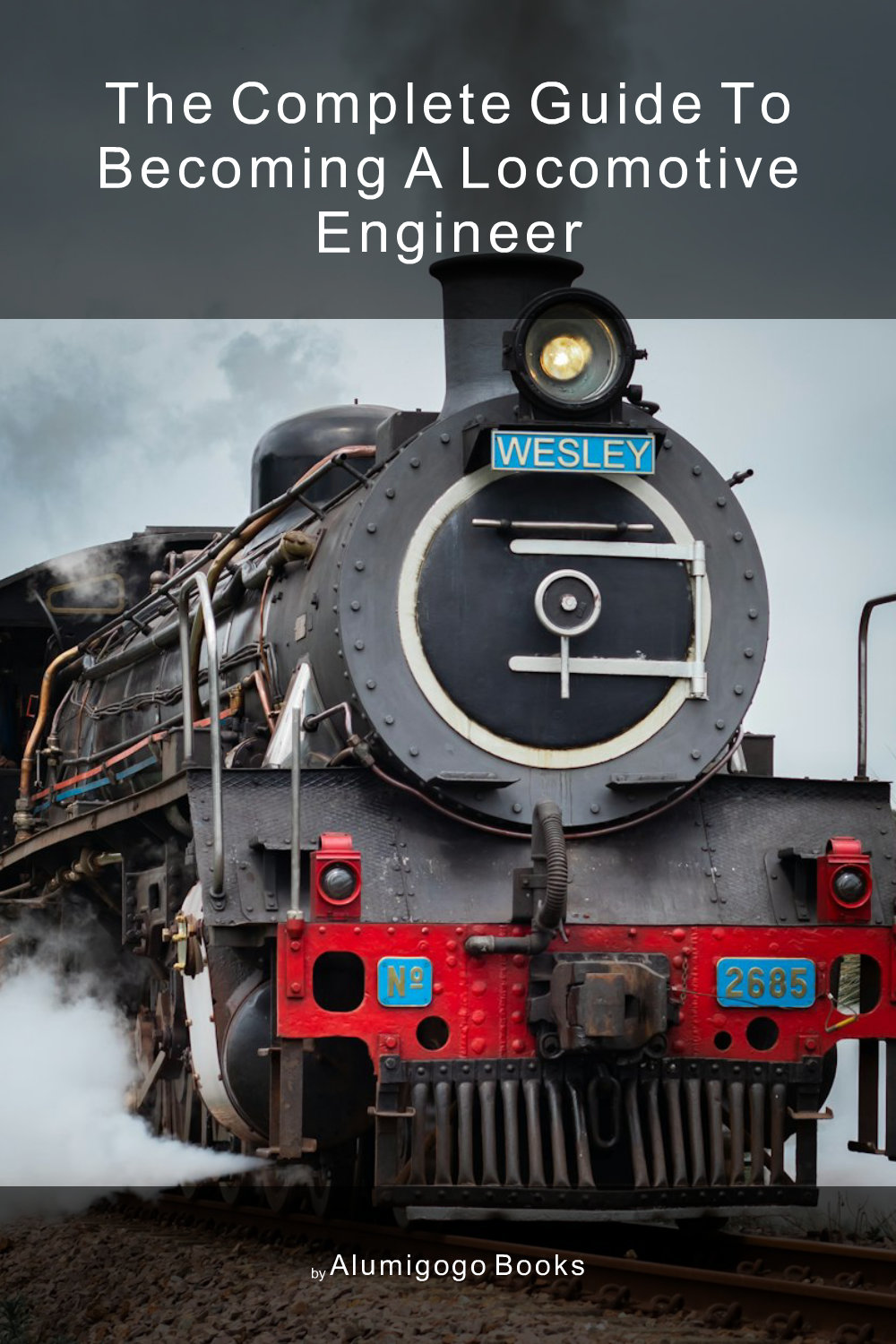
The Complete Guide to Becoming A Locomotive Engineer
The real pay, the real path, and the real daily grind of running freight and passenger trains — before you spend a dime on training.
★★★★★4.3 · 6 reviewsby Alumigogo Books
non-fiction
What do locomotive engineers really do all shift? How much do they make? How hard is it to break in? Straight answers, no sugar-coating.
🔒Secure checkout via Stripe
Labor Day Sale
$9
About this book
You've seen the trains thunder past and wondered what it'd be like to be in that cab. But the romantic image of a lone engineer rolling through the countryside at sunset is only a tiny slice of the job. The rest is irregular sleep, long waits in sidings, monotony broken by moments of intense alertness, and a certification process that takes longer than many college degrees.
This guide strips away the mystery. You'll learn the actual physical tasks of a shift — from the pre-trip inspection that can take an hour in freezing rain, to the constant radio communication with dispatchers, to the precision braking that stops 10,000 tons of train right where it needs to be. You'll see the real numbers: starting salaries around $70,000 at Class I freight railroads, senior engineers pushing past $120,000, and the 8-to-12-month timeline from trainee to certified engineer. You'll also get an honest look at the lifestyle — sleeping in hotel rooms away from home, being on call 24/7, and the toll unpredictable schedules take on family life.
This isn't a recruitment brochure. It's a career counselor's honest assessment, written for anyone who needs to make a smart decision about their future before committing years of their life to a path they might not understand.
Reader Reviews
Donna Davis
★★★★★I was seriously considering applying to a railroad training program and this book saved me from going in blind. Chapter 1 alone was worth it — I had no idea about the pre-trip inspections and how much time you spend just waiting around. The pay numbers in Chapter 4 match what I found on my own, so I trust the rest. I'm still going to do it, but now I know what I'm signing up for.
Matthew Lee
★★★★★Good, honest overview of the career. I appreciated that it didn't sugar-coat the lifestyle — the on-call hours and being away from home are real concerns for me. The chapter on getting hired with no experience was practical and gave me a checklist I'm actually using. Only gave it 4 stars because I wish there was more detail on the union side of things, but overall a solid starting point.
Steven Campbell
★★★★★As a career-changer in my mid-30s, I needed to know if this was feasible or not. The section on training costs and timelines in Chapter 3 was exactly what I was looking for. Chapter 1's description of a typical shift made me realize I'd enjoy the solo nature of the work. It's not a fluff book — it's practical, and it made me feel confident about taking the next step.
Donna Nelson
★★★★★The self-assessment checklist in Chapter 2 was brutally honest, which is exactly what I wanted. I checked off 'comfortable with boredom' and 'okay with unpredictable hours' as weaknesses, so I'm likely passing on this career. At least I found out before spending money on training. The book is well-organized and the writing is straightforward, not like those motivational career guides that tell you anything is possible.
George Rodriguez
★★★★★I've been a truck driver for eight years and thought locomotive engineer might be a natural switch. This guide made it clear it's not the same, but I was still convinced. The hour-by-hour shift breakdown in Chapter 6 felt spot-on for the kind of people I've met who do this job. Chapter 5's interview advice helped me land my first interview with a Class I railroad. I got the job, and I owe a lot to this book for prepping me.
Michelle Jones
★★★★★Solid, practical read. I already knew I wanted in, but this filled in the gaps — specifically the certification timeline and the difference between freight and passenger operations. Chapter 4's salary table was helpful for negotiating. My only complaint is that it leans heavily toward freight railroads and doesn't spend as much time on commuter rail. Still, I'd recommend it to anyone thinking about this career.