The Complete Guide to Becoming A Forest Fire Inspector and Prevention Specialist
The real pay, the real path, and the real day-to-day of a career protecting public lands
★★★★★3.8 · 4 reviewsby Alumigogo Books
non-fiction
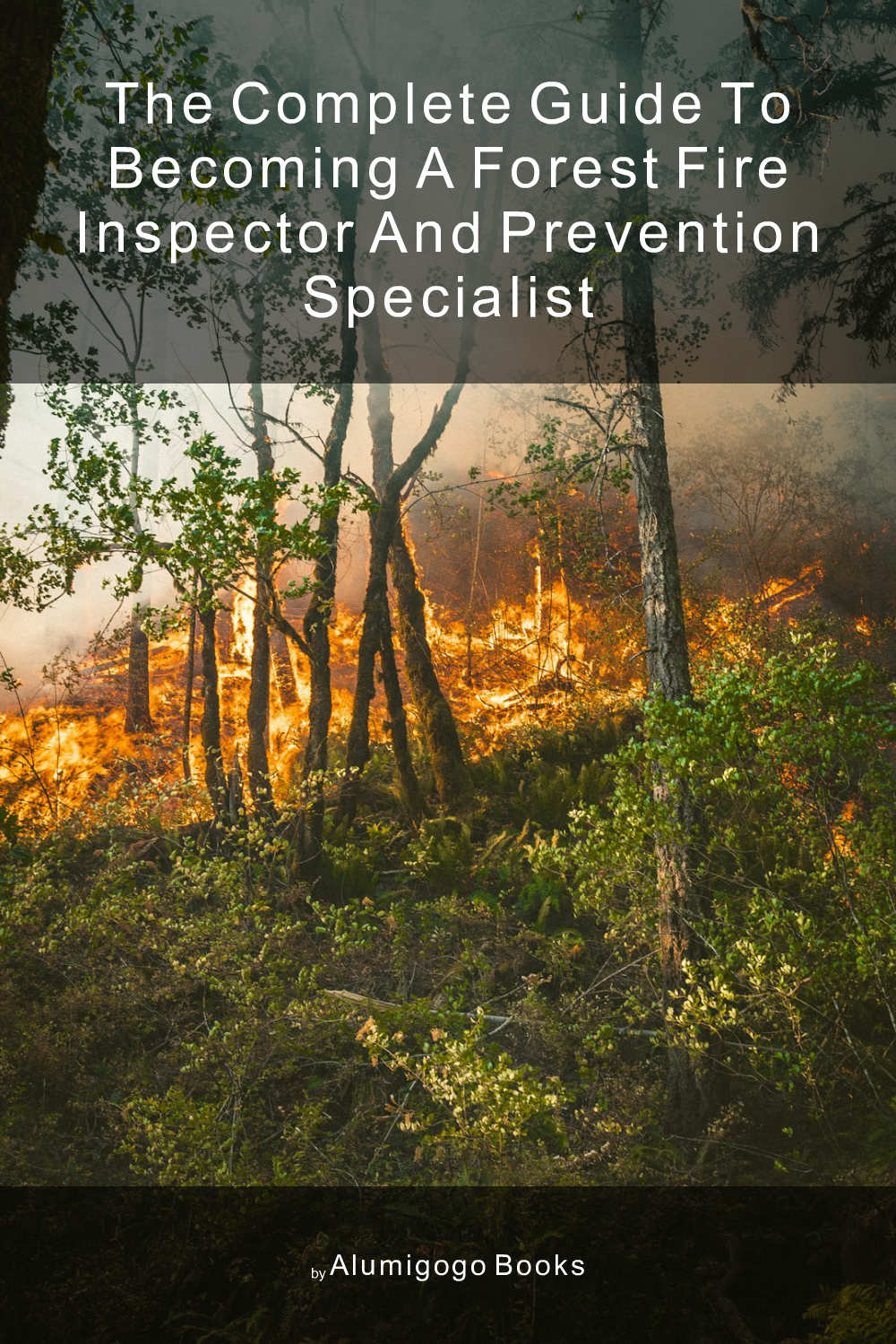
The Complete Guide to Becoming A Forest Fire Inspector and Prevention Specialist
The real pay, the real path, and the real day-to-day of a career protecting public lands
★★★★★3.8 · 4 reviewsby Alumigogo Books
non-fiction
What does this job really involve? What does it pay? Are you a fit? Straight answers, no hype.
🔒Secure checkout via Stripe
Labor Day Sale
$9
About this book
You've seen the smokejumper posters and the heroic wildfire footage. But the Forest Fire Inspector and Prevention Specialist is a different role—one that spends as much time in a pickup truck and at a desk as on a fireline. This guide walks you through the actual day-to-day: inspecting defensible space around mountain homes, investigating burn scars to determine if a fire was arson or a lightning strike, and sitting through community meetings explaining why you're asking someone to cut down their favorite tree.
You'll get real salary ranges—entry-level positions start around $18 to $22 an hour at federal and state agencies—and a clear picture of where the jobs are: California, Oregon, Washington, the Intermountain West, and federal land agencies like the US Forest Service and BLM. We'll cover the education paths, from a two-year fire science degree to an apprenticeship, and which ones actually move the needle in an interview.
And because this career is more than a checklist, there's a full chapter on whether you're built for it. The isolation, the physical demands of hiking miles of rough terrain, the emotional weight of telling a family their home is in a high-risk zone—you need to know what you're signing up for. This guide gives you that, honestly, so the decision you make is yours and fully informed.
Reader Reviews
Robert Carter
★★★★★I was stuck between applying for a wildland firefighter job and something more prevention-focused. This book made the difference. Chapter 1 alone clarified what the inspector role actually involves—lots of driving, paperwork, and talking to homeowners, not just hiking and fighting fires. The salary table was realistic too; I was expecting six figures and now I have a grounded sense of what entry-level actually pays. Good reality check.
Michael Flores
★★★★★Honest and practical. I appreciated that Chapter 1 didn't sugarcoat the fact that you're often working alone, dealing with pissed-off landowners during inspections. It gave me a real feel for the tools—GIS maps, infrared drones, flame length calculations—which the job postings never mention. The self-assessment questionnaire in Chapter 2 was brutal but fair. It saved me from wasting two years and a degree in the wrong field.
Amanda Carter
★★★★★As a career-changer from construction, I needed to know if this was a realistic move at 34. This guide answered that with actual timelines and costs for the different certification paths, which was more than I found anywhere else online. Chapter 1's description of a day—the drive time, the field inspections, the report writing at night—was exactly what I needed to visualize the reality. Not a glamorous pitch, just the truth.
Barbara Allen
★★★★★The information is solid and I'm sure accurate, but it read a bit dry in places. Chapter 1 was the strongest section, giving a detailed walkthrough of a day inspecting homes and doing burn investigations. I just wish there were more anecdotes from real people in the field. It's useful, definitely, but it felt more like a government handbook than a career guide at times. Still, I learned a lot about what I'd be signing up for.