The Complete Guide to Becoming A Craft Artist
The real pay, the real path, and the honest self-check you need before committing to a life in handmade goods
★★★★★4.0 · 6 reviewsby Alumigogo Books
non-fiction
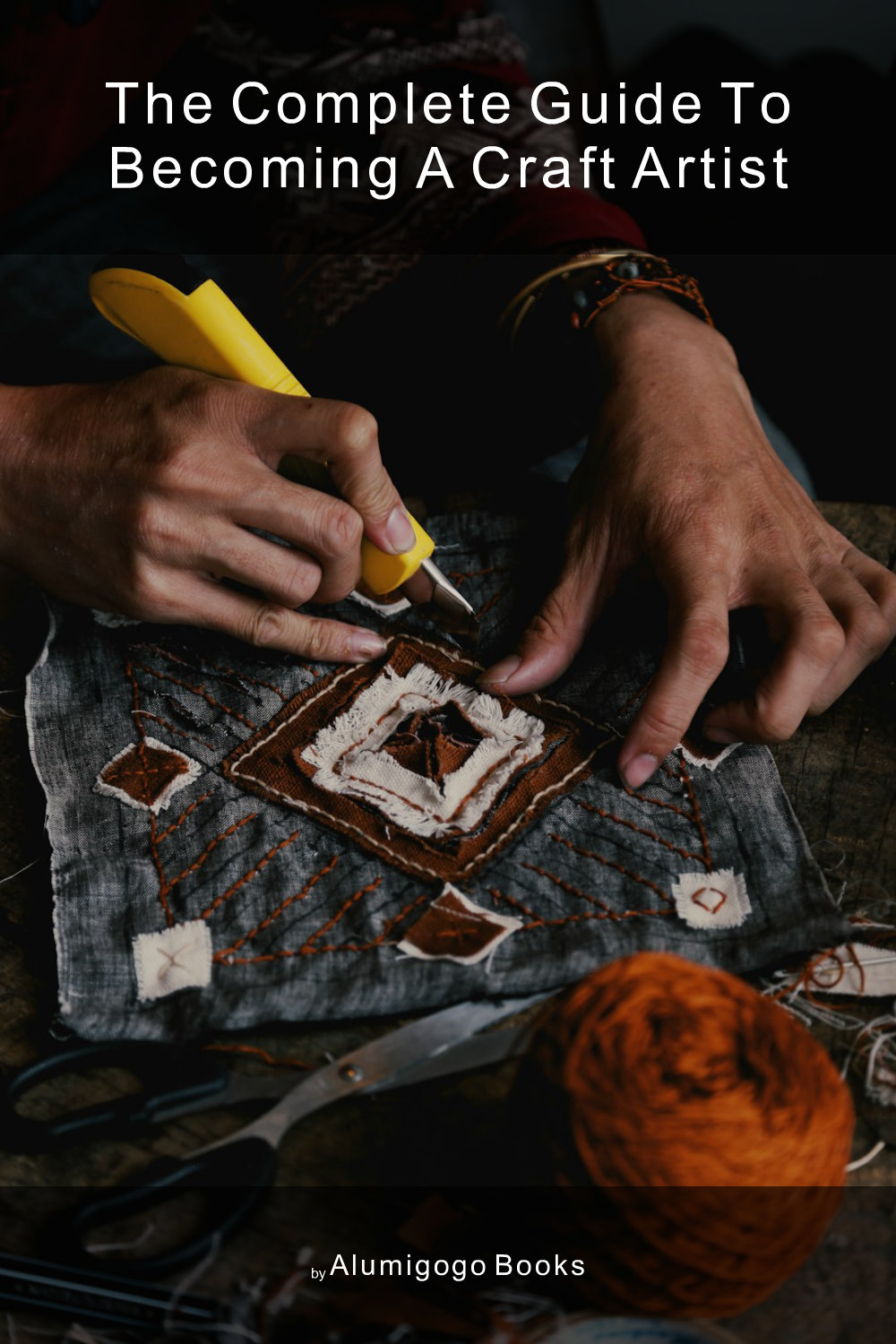
The Complete Guide to Becoming A Craft Artist
The real pay, the real path, and the honest self-check you need before committing to a life in handmade goods
★★★★★4.0 · 6 reviewsby Alumigogo Books
non-fiction
What does a craft artist really do, what do they earn, and is it right for you? The honest career guide you need before you leap.
🔒Secure checkout via Stripe
Labor Day Sale
$9
About this book
You're thinking about becoming a craft artist. Maybe you love working with your hands, maybe you've sold a few pieces online, or maybe you just can't imagine sitting in a cubicle for forty years. But between the Pinterest inspiration and the Etsy success stories, the actual day-to-day reality of this career is murky. How much money can you really make? What skills do you need beyond the craft itself? And what does a typical Tuesday actually look like when you're not at a craft fair or in a studio photoshoot?
This guide answers those questions with specific, grounded detail. It walks you through the concrete responsibilities of the job — from sourcing materials and managing production schedules to pricing your work and dealing with unreliable wholesale buyers. It offers a self-assessment checklist to help you see honestly whether your temperament and working style fit the reality of the job, not the fantasy. It breaks down the real training paths with costs and timelines, gives you actual salary ranges from entry-level to senior, and lays out a step-by-step plan for landing your first paid position or selling your first batch.
No vague motivational filler. No promises of overnight success. Just clear, practical information from someone who has watched people succeed and fail in this field, so you can make your decision with your eyes wide open. If you're serious about weighing this career, this is the book to read before you invest the time, money, and energy.
Reader Reviews
Nancy Robinson
★★★★★I was about to quit my office job to go full-time with my pottery. This book convinced me to slow down and take a hard look at the numbers. The salary table in chapter four was a reality check I needed, and the self-assessment in chapter two made me realize I'd be miserable doing production work all day. I still love making, but now I'm doing it as a side business while I work retail, and I'm actually happier. Worth the read.
Jonathan Carter
★★★★★Some useful information here, especially the breakdown of training costs in chapter three. But chapter one got a bit long on the daily details, and I felt the salary ranges were on the low side compared to what I've heard from people in my area. The networking advice in chapter five was practical, though. It's a decent starting point, but I'd suggest also talking to actual working artists in your region before committing to a path.
Kevin Sanchez
★★★★★This is the book I wish I'd had in college. I spent two years and a lot of tuition money on a fine art degree before realizing the business side of craft was never covered. The chapter on landing your first job was spot-on, especially the portfolio advice. I followed the checklist, landed a position at a local production studio, and I've been there for six months. The salary I negotiated was within the range they listed, and the working conditions are exactly as described. Solid.
Mary Thomas
★★★★★Found this guide to be a mixed bag. The self-assessment checklist in chapter two was genuinely helpful because it forced me to admit I don't have the patience for repetitive production work. But I was hoping for more specifics on the creative side — things like design inspiration, material selection, technique development. That stuff was only mentioned in passing. The book focuses almost entirely on the business and logistics, which is important, but it felt incomplete to me.
Joshua Baker
★★★★★I'm a career-changer in my late thirties, looking at this as a possible second act. This book answered questions I didn't even know I had. I now know what a 'production schedule' actually looks like and how much a kiln firing costs per load, which seems small but affects my potential margins. The chapter about what you'll earn made me realize I'd need a side income for the first few years, so I'm planning accordingly. Good, honest advice.
Ryan Perez
★★★★★Read this in one sitting. It's not fluffy at all — it's like a friend who's been doing this for years sitting you down and explaining how it really works. The day-in-the-life chapter was incredibly grounding; I now know the mundane parts as well as the rewarding ones. I also appreciated the FAQ chapter which addressed the 'am I too old to start' question directly. I've made a decision to pursue this, and my plan is stronger because of this book.