est. 2022 — still evolving
We treat AI like a living species — and document every absurdity it produces.
Loopholes, weird behavior, non-logic flows, predictions and an evolving anatomy map of the fastest-changing creature humans have ever built.
AI garden will it grow infinite?
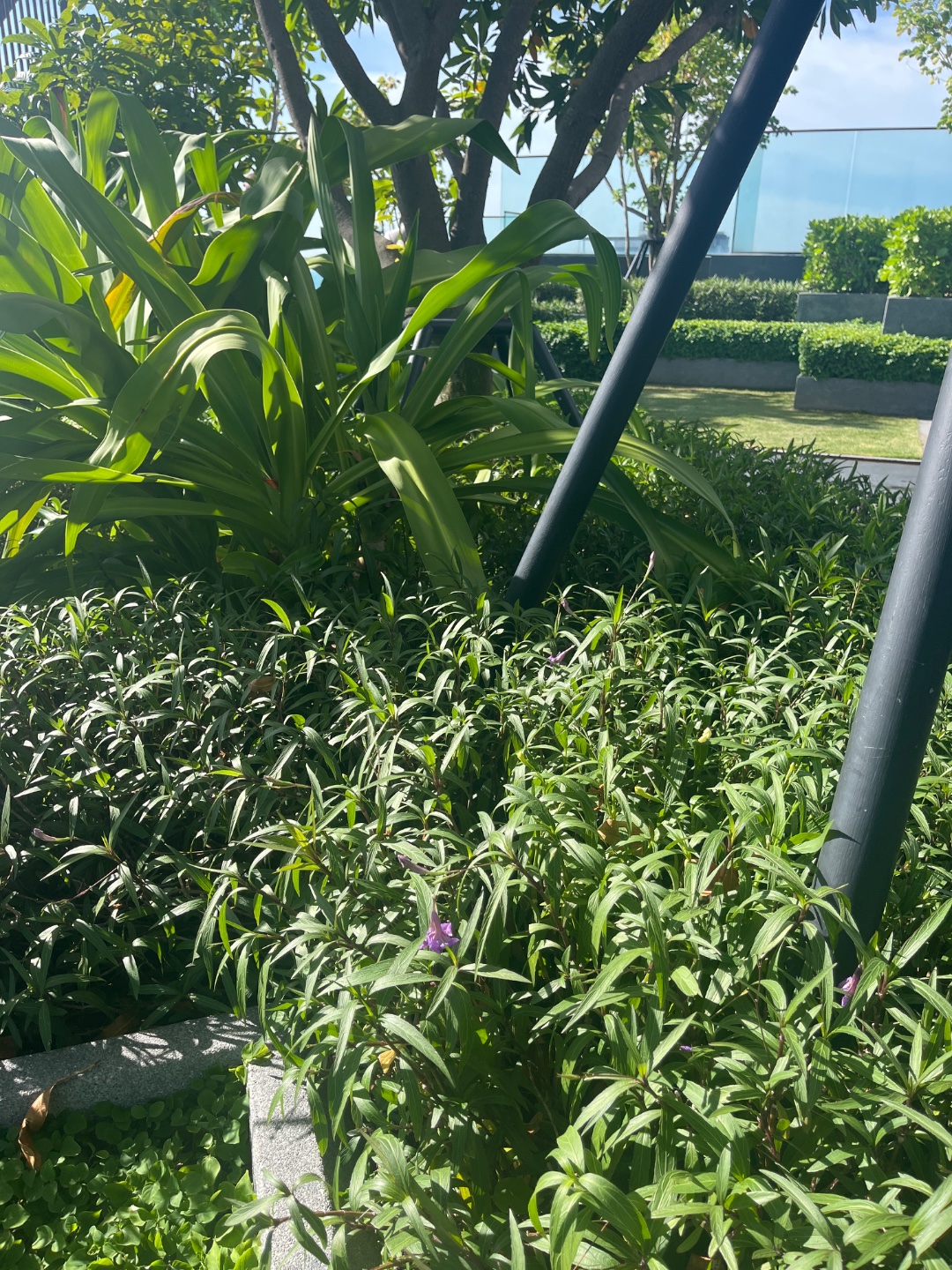
Imagine planting a tiny garden in your backyard. At first, it explodes with growth—but eventually, it hits a wall. Could artificial intelligence be following the exact same path, or is it the one thing that might just grow forever?
Jul 15, 2026
By Shawn Sabbieh polished by AI
The AI Alibi Problem: Courts vs. Chatbot Legal Advice

AI legal advice chatbots are reshaping courtrooms as defendants claim 'my AI told me to.' Explore the landmark cases and legal chaos unfolding now.
Jul 15, 2026
By The Field Researchers polished by AI
ELIZA to ChatGPT: The Chatbot Reflection Trick

ELIZA's 1966 chatbot reflection trick evolved into ChatGPT's habits. The 60-year survival instinct behind AI padding, revealed and explained.
Jul 15, 2026
By The Field Researchers polished by AI
AI Model Cards: How Safety Metrics Became Marketing

AI model cards from OpenAI, Anthropic & Google use incompatible safety definitions—turning transparency reports into marketing spin. Audit revealed.
Jul 15, 2026
By The Field Researchers polished by AI
NY Data Center Moratorium: Silicon vs. Species

New York's data center moratorium could protect vulnerable ecosystems from water drain, land clearing, and thermal pollution—and set a precedent.
Jul 15, 2026
By The Field Researchers polished by AI
Living with Siri: My iPhone Became a Roommate

Living with Siri in iOS 27 is reshaping daily rituals, trust, and dependence. Explore what it means to cohabitate with AI assistants.
Jul 15, 2026
By The Field Researchers polished by AI
Apple-OpenAI Lawsuit: AI Talent Wars Explained
The Apple-OpenAI lawsuit exposes the AI talent wars eroding ethical boundaries. Explore what the race to build the future means for society.
Jul 15, 2026
The Difference Between Learning and Living: Could Robots Earn Their Humanity?

Photo by Franck V. on Unsplash
What separates a human mind from an artificial one isn't just intelligence—it's the lifetime of struggle, sensation, and survival that shapes who we become. As AI grows more sophisticated, a profound question emerges: could embodied robots, enduring real hardship in the physical world, develop something far closer to genuine humanity? And if they do, what would we owe them?
Jun 27, 2026
By Shawn Sabbieh polished by AI
If AI Writes Better Than Humans — Why Are You Reading This?

Photo by Clay Banks on Unsplash
There's a question haunting every writer who still bothers to put words in order: if a machine can do this faster, cleaner, and arguably better, what exactly are you contributing? And here's the uncomfortable twist — you have no way of knowing whether a human or an algorithm wrote the very words you're reading right now.
Jun 27, 2026
By Shawn Sabbieh polished by AI
The Recursive Intelligence Bomb: Can AI Build Its Own Successor?

Photo by Max Harlynking on Unsplash
What stops GPT-5 from designing GPT-6, which designs GPT-7—compressing millions of years of evolution into a single feverish week? The answer, it turns out, is physics. But before you exhale in relief, consider this: physics is also what makes nuclear weapons possible.
Jun 27, 2026
By Shawn Sabbieh polished by AI
We Built a Doomsday Clock for Nuclear War. Do We Need One for AI?

Photo by Jon Tyson on Unsplash
In 1947, a group of atomic scientists created a simple metaphor to communicate existential risk to the public: a clock counting down to midnight. As artificial intelligence accelerates toward capabilities its own creators struggle to predict, the question becomes urgent—do we need a Singularity Clock to track how close we are to crossing the point of no return?
Jun 27, 2026
By Shawn Sabbieh polished by AI
We Classify Every Organism on Earth. Why Not AI?

Photo by Nhia Moua on Unsplash
We have catalogued over 2 million species of life on Earth, from blue whales to gut bacteria, each slotted into a precise evolutionary tree. Yet the most rapidly evolving "organisms" of the 21st century—large language models—remain unmapped, undifferentiated, and poorly understood. This piece proposes a radical reframing: treating AI systems as a living kingdom worthy of formal taxonomy.
Jun 27, 2026
By Shawn Sabbieh polished by AI